

 TR
TR FR
FR ES
ES RU
RU RO
RO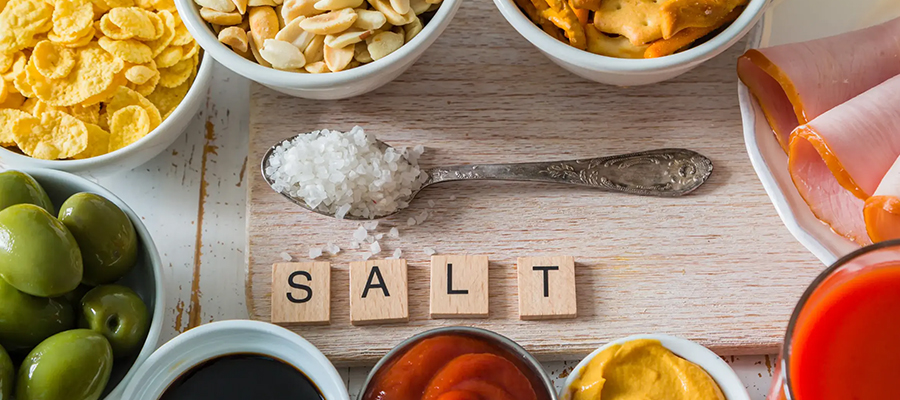
Estimated reading time: 8 minutes 23 seconds
Why is Sodium Important?
If we were to begin this article by asking why sodium is important and then continue by saying that it is crucial for fluid balance in the body, muscle function, and nerve transmission, we would have an introductory understanding of sodium. However, understanding the significance of these points and comprehending what functions they correspond to in terms of our health takes us to another level of understanding. Therefore, let’s look at the question from another angle.
For example, fluid balance in the body is crucial for the healthy functioning of the cells and the transport of nutrients and oxygen. If this balance is disrupted, fatigue, blood pressure problems, and serious health issues may arise. Nerve transmission facilitates communication between the brain, organs, and muscles, and if a problem occurs here, our body cannot respond to environmental stimuli. If muscle functions become impaired, even the most basic and vital activities like breathing and heartbeat would become impossible.
Sodium is a very important mineral and electrolyte that plays a critical role in all these processes. In this article, we take a closer look at this very important element.
What is sodium?
Sodium is a mineral and essential electrolyte that plays a vital role in ensuring our body functions properly. Sodium helps regulate fluid balance in and around our cells, supports proper nerve signaling, and ensures proper muscle contraction, including in the heart. As this sentence suggests, sodium is much more important to our bodies than we might think because without sufficient sodium, many essential functions in our bodies cannot work properly.
Although sodium is naturally present in many foods, it is most commonly associated with table salt and processed foods. Since most of us now consume far more sodium than our bodies actually need, it is important not only to understand the importance of sodium but also to know how much is healthy for daily intake.
Let’s start by asking what the difference is between sodium and salt.
What is the difference between salt and sodium?
Salt and sodium are often used as if they mean the same thing, but they are not the same. Sodium is a chemical element, whereas table salt is a compound consisting of approximately 40% sodium and 60% chloride. In other words, sodium is part of salt and is contained within it.
When we talk about the risks of consuming too much salt, what we are concerned about is the sodium part of the salt. This is because high sodium intake has the effect of raising blood pressure and increasing the risk of heart disease or stroke. Understanding this distinction helps people make better choices when reading food labels and tracking their actual sodium intake.
Why do we need sodium?
Getting the right amount of sodium is essential for a healthy life. For example, sodium maintains fluid balance in our bodies by properly distributing water inside and outside our cells. Maintaining fluid balance in the body plays important roles, from ensuring cells function properly to regulating body temperature. Sodium also plays a key role in transmitting nerve signals. Thanks to the transmission of nerve signals, our brain communicates with muscles and organs.
Sodium also supports normal muscle function. Without sodium, muscles in general, and the heart muscle (also known as cardiac muscle) in particular, cannot contract effectively. Although our bodies only need a small amount of sodium each day, this small amount of sodium remains one of the most important nutrients for maintaining our health.
Even small changes in the levels of sodium in the body, which plays a role in the continuity of vital functions in our body, can affect our energy, mood, and overall health. Therefore, sodium is essential for life, but it must be consumed in the right amounts.
What foods contain sodium?
Sodium is found in a wide variety of foods, both naturally and through added salt. Therefore, if you think you need to reach for the right sodium levels in your diet by using your salt shaker at home, don’t be too hasty. You may already be getting the sodium you need from packaged foods and restaurant meals throughout the day before you even reach for the salt shaker.
Some sodium-containing foods can be listed as follows:
- Processed and packaged foods such as chips, crackers, instant noodles, and canned soups
- Bread and baked goods, which may not taste salty but often contain added sodium
- Dried and processed meats such as sausages, various types of bacon, ham, and deli meats
- Cheese and dairy products, especially processed ones
- Fast food and restaurant meals, which often use large amounts of salt for flavor.
Even foods that are naturally low in sodium can become high in sodium after being seasoned, canned, or processed. Therefore, it may be helpful to check nutrition labels before consuming them.
What are the symptoms of high sodium?
High sodium levels in the body are known as hypernatremia and occur when there is too much sodium relative to the amount of water. This condition can result from dehydration, certain medical conditions, or excessive salt intake. When sodium levels are very high, the body reacts in various ways.
The most common symptoms of high sodium levels are listed below:
- Thirst and dry mouth
- Swelling in the hands, feet, or face
- Fatigue and restlessness
- Confusion, irritability, or difficulty concentrating
- In severe cases, muscle twitching, seizures, or loss of consciousness
Mildly elevated sodium levels may go unnoticed because they may not cause noticeable symptoms. However, consistently high sodium levels can put serious strain on the heart, kidneys, and brain over time. Therefore, monitoring daily sodium intake is an important step toward long-term health.
What are the symptoms of low sodium?
Low sodium levels, or hyponatremia, occur when there is not enough sodium relative to water in the body. This condition can result from excessive sweating, excessive water intake, certain medications, or underlying health issues. Symptoms of low sodium usually develop gradually. If the cause of long-term low sodium is not identified and appropriate levels are not achieved, the condition can become dangerous.
Symptoms of low sodium may include:
- Headache and nausea
- Muscle weakness or cramps
- Irritability and confusion
- Loss of energy or constant fatigue
- In more severe cases, seizures, fainting, or coma
Since sodium helps maintain fluid balance and nerve signals, even moderate imbalances can quickly affect a person’s health. If you are experiencing these symptoms, you may need to seek medical help to determine the cause and receive appropriate treatment.
What should the ideal sodium range be?
Maintaining balanced sodium levels in our bodies is important. Too much or too little sodium can disrupt the body’s fluid levels, nerve functions, and overall health. Therefore, both daily intake and blood sodium levels are used as indicators of what is considered “ideal.”
For daily intake, health professionals generally make the following recommendations based on the following groups:
Healthy adults should consume no more than 2,300 milligrams of sodium per day (this amount is equivalent to approximately one teaspoon of table salt).
For people with high blood pressure, heart disease, or kidney problems, a much lower target of 1,500 milligrams per day is generally recommended.
The normal range for blood sodium levels is 135 to 145 milliequivalents per liter (mEq/L). Values above 145 indicate high sodium levels (hypernatremia), while values below 135 indicate low sodium levels (hyponatremia). We discussed the symptoms of these conditions above.
By paying attention to both diet and health monitoring, individuals can maintain their sodium levels within a safe range and support their heart, kidney, and overall health in the long term.