

 TR
TR FR
FR ES
ES RU
RU RO
RO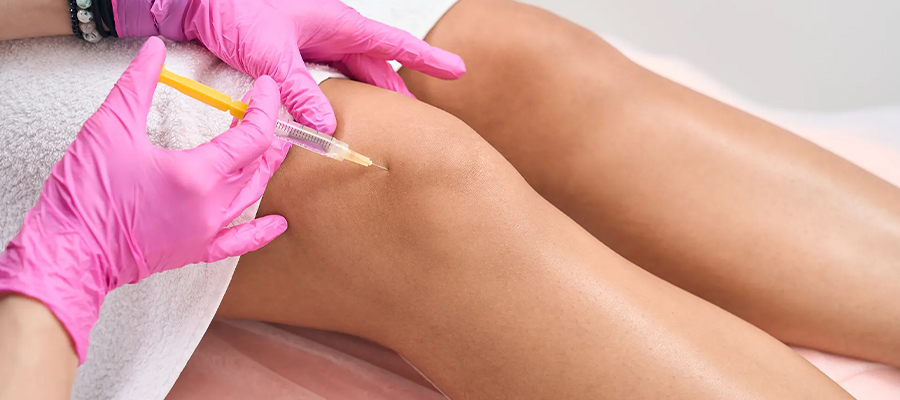
Estimated reading time: 8 minutes 32 seconds
What you need to know about prolotherapy treatment
Some of us have experienced that the pain we notice while moving in daily life does not always go away simply by resting. Especially pain originating from muscles and joints can persist for a long time in some individuals and may affect daily quality of life. At this point, one of the treatment methods that has been heard more frequently in recent years is prolotherapy.
Prolotherapy treatment is one of the injection methods evaluated in the treatment of some pain originating from the musculoskeletal system. In this article, we discuss in detail frequently asked questions such as what prolotherapy is, what prolotherapy treatment does, how it is applied, and what should be considered during the treatment process.
What is prolotherapy?
The question “What is prolotherapy?” is frequently asked, especially by individuals who experience chronic muscle and joint pain. Prolotherapy is an injection treatment applied to support weakened or damaged connective tissues. It may be used especially to support the strengthening of ligaments, tendons, and tissues around the joints.
The word prolotherapy is derived from the word “proliferation,” meaning multiplication. This concept refers to stimulating the healing process of damaged tissues. During the procedure, certain solutions are injected into the ligaments or tendons around the joint. The aim of these injections is to trigger a controlled healing process in the tissue.
This method may be considered one of the supportive treatment options for some muscle and joint pains. However, prolotherapy may not be suitable for every patient, and the treatment plan must be determined after a physician’s evaluation.
What does prolotherapy do?
The main goal of prolotherapy treatment is not only to temporarily reduce pain. The primary objective is to support the strengthening of connective tissues that cause pain and to promote the healing process.
Over time, ligaments and tendons may weaken due to strain, overuse, or repetitive movements. This condition can cause pain and limited movement in our joints. The injections performed during prolotherapy may help strengthen connective tissue by triggering the healing process of weakened or damaged tissue.
However, the effectiveness of prolotherapy may vary from person to person. For this reason, the treatment plan should always be determined by a specialist physician.
How is prolotherapy performed?
Prolotherapy is a treatment performed through an injection method. Before the treatment, the doctor first evaluates the patient’s complaints and performs a physical examination to determine the source of the pain. If necessary, imaging methods may also be used.
After the source of the pain is identified, the injection points are determined and injections containing a specific solution are applied to the relevant area. This solution aims to initiate a controlled healing process in the tissue.
The general stages of prolotherapy can be listed as follows:
- The patient’s complaints and the source of pain are evaluated
- The injection area is determined
- The area is cleaned with antiseptic solutions
- Injections are administered to the required points using fine needles
- The patient is observed for a short time after the procedure
Prolotherapy is usually not a single-session treatment. It may be planned as several sessions depending on the patient’s condition. The number of sessions may vary depending on the duration and cause of the pain and the response to treatment.
In which diseases is prolotherapy used?
Prolotherapy may be considered a treatment method for some muscle and joint problems that occur as a result of weakened connective tissues. This method may be preferred as a supportive treatment especially in certain musculoskeletal problems that cause chronic pain.
Some conditions in which prolotherapy treatment may be considered include:
- Chronic pain originating from the lower back and neck
- Pain in joints such as the knee, shoulder, or hip
- Ligament and tendon strains
- Persistent pain after sports injuries
Prolotherapy may not be appropriate for every condition. Therefore, the treatment method should always be determined after a doctor’s evaluation.
Is prolotherapy used for herniated discs?
A herniated disc may occur when the disc structure between the vertebrae puts pressure on the nerves. In such cases, symptoms such as lower back pain, leg pain, numbness, or restricted movement may appear.
In some patients, prolotherapy may be considered as a supportive treatment option for this type of pain. The aim of this application is to support the strengthening of connective tissues in the lower back region.
However, prolotherapy may not be suitable for every herniated disc patient. In cases where nerve compression is advanced or serious muscle weakness has developed, different treatment methods may be preferred. Therefore, prolotherapy should only be applied in the treatment of herniated discs upon a doctor’s recommendation.
Who is not suitable for prolotherapy?
Although prolotherapy is a method that can be considered for many muscle and joint pains, it may not be suitable for every patient. Therefore, the patient’s overall health condition is evaluated in detail before treatment.
Prolotherapy may not be appropriate in the following situations:
- Individuals with active infections
- Patients with bleeding disorders
- Individuals using blood thinners
- Individuals with skin infections in the injection area
- During pregnancy
- History of allergy to the solutions to be injected
For this reason, it is important to perform a detailed examination before deciding on prolotherapy treatment.
Frequently Asked Questions
Does prolotherapy have any harms?
When applied to appropriate patients under sterile conditions, prolotherapy is generally considered a safe treatment method. However, as with any medical procedure, prolotherapy may also have some risks and side effects. Therefore, it is important that the treatment is performed by a physician experienced in this field.
What are the side effects of prolotherapy?
Some side effects may occur after prolotherapy. These are usually mild and temporary complaints. The most common side effects can be listed as follows:
- Pain at the injection site
- Swelling and redness
- Bruising
- Tenderness
- Dizziness or fatigue
In rare cases, infection or allergic reactions may develop. If you experience symptoms such as severe pain or fever, you should seek medical attention.
Does prolotherapy cause pain?
Since fine needles are used during prolotherapy, a brief stinging or burning sensation may occur in the injection area. However, this is usually short-lived and can be tolerated by most individuals.
Is pain normal after prolotherapy?
Mild pain that may last for several days can occur in the treated area after prolotherapy. This is generally considered normal and usually decreases within a short time.
However, if the pain becomes severe or persists for a long time, it is necessary to contact a doctor.
What should be considered after prolotherapy?
There are some points to consider in order to support the healing process after prolotherapy. The following recommendations are generally emphasized:
- Avoid lifting heavy objects during the first few days
- Allow the treated area to rest
- Temporarily avoid intense exercise
- Use medications recommended by the doctor regularly
- Do not miss follow-up appointments
Which doctor performs prolotherapy treatment?
Prolotherapy is generally performed by physicians specialized in muscle and joint pain. Physical medicine and rehabilitation specialists as well as orthopedic and traumatology doctors may perform prolotherapy procedures.