

 TR
TR FR
FR ES
ES RU
RU RO
RO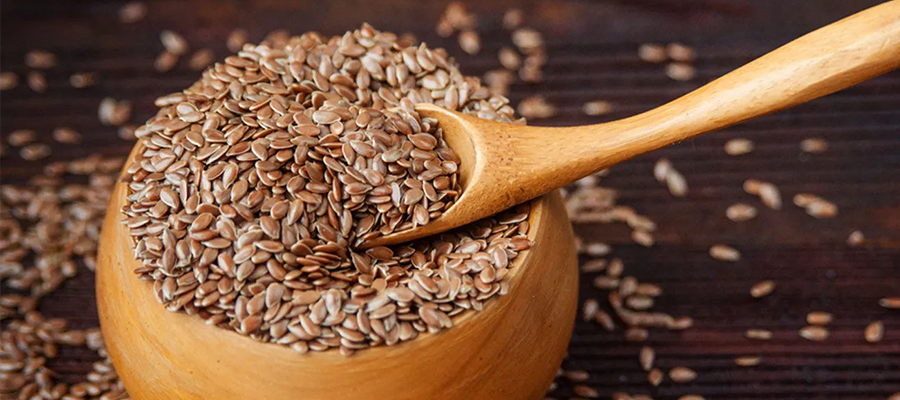
Estimated reading time: 8 minutes 9 seconds
What You Should Know About Flaxseed
Flaxseed, which has been used for thousands of years, is now being consumed in many different ways with the discovery that it has very high nutritional value. Especially rich in omega-3 fatty acids, fiber, protein, and antioxidants, flaxseed is thought to support the digestive system and general body health. Some recent research suggests that flaxseed also helps to prevent the growth of some types of cancer.
After this brief introduction, let’s continue with the benefits of flaxseed.
Flaxseed Benefits
Flaxseed is used as a supportive by-product for health in many areas, especially because it is rich in antioxidants. However, we should not forget that research on flaxseed continues. For this reason, it is best to get your doctor’s approval before you start using flaxseed regularly.
We can list some of the benefits that flaxseed can provide as follows:
- May support cardiovascular health: Flaxseed can help lower bad cholesterol (LDL) and increase good cholesterol (HDL) thanks to the alpha-linolenic acid (ALA) it contains. It is also thought to help reduce the risk of atherosclerosis.
- Regulating the digestive system: The water-soluble bacteria found in linseed may help support a healthy digestive system by helping to keep the bowels moving.
- Antioxidant source: Thanks to the powerful antioxidants called lignans in flaxseed, it is thought to prevent cell damage and slow down the aging process. Research also suggests that it may protect against some types of cancer.
- Stabilizing blood sugar levels: By increasing insulin sensitivity, flaxseed can help prevent sudden fluctuations in blood sugar and stabilize blood sugar.
- Supports skin and hair health: Flaxseed, rich in omega-3 fatty acids and vitamin E, can moisturize the skin and contribute to healthier hair.
Which diseases is flaxseed good for?
Flaxseed consumed under the supervision of a doctor and in the right proportions can play a supportive role in various areas from combating chronic diseases to improving vascular health. We can list some diseases in which flaxseed can play an auxiliary role in the healing process as follows:
- Heart diseases
- Diabetes
- Digestive system diseases
- Some types of cancer
- Joint and bone health
Does Flaxseed Help Weight Loss?
Above we have listed the benefits that flaxseed can provide in terms of general health. However, perhaps one of the most curious issues about flaxseed is whether flaxseed will help in the weight loss process.
Yes, flaxseed’s high fiber content can help prevent unnecessary calorie intake by providing a feeling of satiety for long periods. It can also help you lose weight by accelerating your metabolism and contributing to fat burning.
Here are the main reasons why flaxseed helps to lose weight:
- Provides a feeling of satiety
- Stabilizes blood sugar
- May speed up metabolism
- Supports the digestive system
However, it is important to remember that flaxseed is only supportive in the weight loss process and therefore cannot create a miracle on its own. Taking flaxseed in the right proportions, along with a proper diet and regular exercise, can help you lose weight.
How to Use Flaxseed?
With so many benefits, how should you consume linseed? To get the most out of linseed, which can be used in a variety of ways and recipes, it is important to consume it in the right way.
We can list some of the methods of consuming flaxseed as follows:
- Using it as ground: Due to their small size, linseeds can pass through the digestive system undigested. This means that you cannot benefit from flaxseed. For this reason, flaxseed should be consumed by grinding. Ground flaxseed can be added to yogurt, smoothies, or salads.
- Consuming by soaking with water: Soaking flaxseed in water provides a gel-like structure. When you consume flaxseed in this way, it can contribute to intestinal health.
- Adding to bakery products: By adding ground flaxseed to recipes such as cakes, bread, and cookies, the nutritional value of these products can be increased.
- Adding to salads and soups: Flaxseed can be added directly into dishes or salads.
- Consume as flaxseed oil: Flaxseed oil that comes into contact with heat cannot maintain its nutritional value. Therefore, the best way to use flaxseed oil is in salads and cold dishes.
However, flaxseed should be limited to 1-2 tablespoons daily. Remember that excessive consumption of flaxseed can be harmful.
How to Apply Flaxseed to the Skin?
Due to its skin-nourishing and moisturizing properties, flaxseed can also be used in skincare. However, just in case, before applying it to your entire skin for the first time, it would be better to test it on a small area first. After making sure that there is no unusual reaction, apply it to the entire skin.
Here are some effective methods of applying flaxseed to the skin:
- Flaxseed Mask: You can use a flaxseed mask to help your skin maintain its moisture balance. Just mix some ground flaxseed with water or yogurt to make a flaxseed mask.
- Use in Gel Form: You can also apply flaxseed as a gel to benefit from its moisturizing effect or use it in hair care. You can turn flaxseed into a gel by boiling it in water.
- Use as Peeling: You can also prepare an exfoliating mixture of ground flaxseed by mixing it with honey or olive oil.
- Direct Use as Oil: Flaxseed oil can be both moisturizing and a natural nutrient for the skin. In this type of use, it is recommended to dilute flaxseed oil with almond oil or coconut oil.
What are the Harms of Flaxseed?
It is important to note that flaxseed, which we have mentioned so far for its beneficial and supportive health properties, can, in some cases, cause side effects. We can list the possible harms of flaxseed as follows:
- Digestive Problems: Excessive consumption of flaxseed can cause digestive problems such as bloating, gas, and diarrhea.
- Allergic Reactions: Some people may be allergic to flaxseed. For this reason, the use of flaxseed should be discontinued, especially if symptoms such as itching, rash, or shortness of breath occur.
- May Increase the Risk of Bleeding: It is not appropriate to use flaxseed, which has a blood-thinning effect, by people who use blood thinners or by people who will undergo surgery.
- May Affect Hormone Balance: Flaxseed is a food containing herbal estrogen (phytoestrogen). For this reason, people with hormone-sensitive diseases, people receiving hormone therapy, and people with conditions such as breast cancer and uterine diseases should not use it without consulting their doctor.
- Risks for Pregnant and Nursing Mothers: It is not recommended for pregnant women to consume flaxseed as it may increase the risk of miscarriage due to its effect on hormones.
Harms of Using Flaxseed During Pregnancy
Flaxseed, which has many benefits, may be risky to use, especially during pregnancy. Some studies on this subject suggest that flaxseed, especially consumed in high amounts, may increase the risk of miscarriage.
We can list the possible harms of flaxseed consumption while pregnant as follows:
- May increase uterine contractions
- May cause imbalances in blood sugar
- May cause digestive problems
- May increase the risk of bleeding
For all these reasons, it may be necessary to avoid flaxseed altogether during pregnancy to avoid any risk. However, if you still want to use it, it would be right to consult a doctor beforehand and get detailed information about how much and how often you can use it.