

 TR
TR FR
FR ES
ES RU
RU RO
RO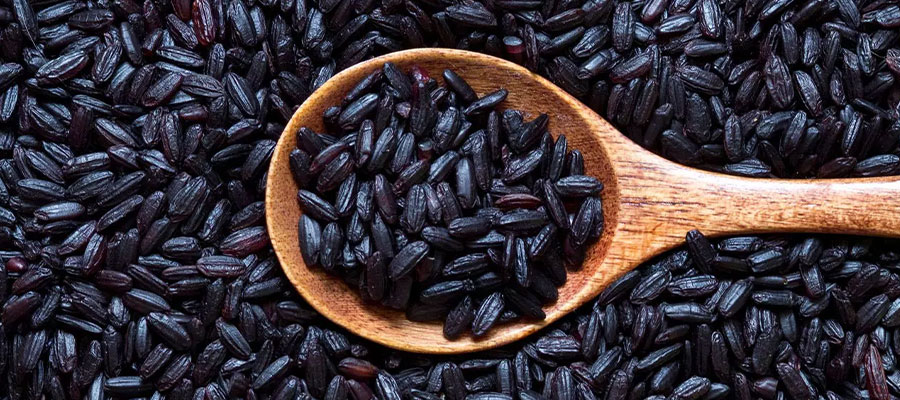
Estimated reading time: 7 minutes 42 seconds
What is black rice?
Also known as forbidden rice, emperor’s rice, or purple rice, black rice is a type of rice that is quite dark black when raw. The shiny black color of raw black rice comes from the high concentration of anthocyanins it contains. These anthocyanins are found in the highest concentrations in the bran layer of black rice. The bran layer of black rice is one of the foods with the highest anthocyanin content. These anthocyanins are antioxidants and give blueberries and blackberries their distinctive color.
Some of our valued readers may be thinking, “But the husks aren’t edible, so we can’t get enough of the antioxidant content of this food.” Don’t worry, because that’s not the case. Unlike white rice, the husks of black rice are preserved. The bran layer is the outer layer of the whole grain and contains most of the fiber, vitamins, and antioxidants. This part is removed from white rice but is preserved in brown and black rice. In other words, the anthocyanins in black rice are also preserved.
When cooked, black rice, which is a food of Asian origin, turns a dark purple color. In addition to antioxidants, fiber, and vitamins, black rice is also a nutrient-rich food high in protein. It has a mild nutty flavor and a chewy texture. This unique taste makes it a popular choice in both savory and sweet dishes, even in salads.
Why was black rice banned?
Yes, there was a period and a region where black rice was banned, but this is a historical event that took place several centuries ago. Black rice was banned in China between the 14th and 17th centuries. At that time, the Ming Dynasty ruled China.
Black rice was considered a very healthy food based on knowledge and experience passed down from previous centuries in the region. However, the reason for its ban was not solely due to its nutritional properties and perceived medicinal benefits. The harvesting process for this type of rice was also different from that of white rice, as the yield of black rice was only about 10% of other rice varieties.
Its health benefits, combined with its rarity, led to black rice being protected under imperial food laws and becoming a food reserved exclusively for the imperial family. It is for this reason that this type of rice has also been known as “forbidden rice.”
Today, black rice is widely cultivated and can be found almost everywhere in the world. Due to its widespread production, there are no longer any legal restrictions on its consumption. The historical context adds mystery and prestige to this already impressive grain.
What are the benefits of black rice?
Black rice has been one of the most popular foods for centuries due to its nutritional value and health benefits. Therefore, the answer to the question “What are the benefits of black rice?” comes with a long list. The health benefits of black rice range from supporting weight loss to improving overall health with its rich antioxidants. Black rice is also rich in fiber and essential nutrients. Here are some of the most important benefits of adding black rice to your diet.
- Rich in antioxidants: Black rice contains high levels of anthocyanins, which protect cells from oxidative stress and support heart and brain health.
- Rich in fiber: The outer bran layer of black rice is packed with dietary fiber, which supports digestion, increases feelings of fullness, and helps regulate blood sugar levels.
- Supports heart health: Its antioxidant and fiber content may help lower cholesterol levels and reduce inflammation.
- Naturally gluten-free: Black rice is an excellent option for those with gluten sensitivity or celiac disease. It does not contain gluten.
- A good source of iron: Iron plays a critical role in oxygen transport and energy production, and black rice is a natural plant-based source of this mineral.
Adding black rice to your diet can be a smart step toward a more balanced and nutrient-rich diet.
Does black rice help with weight loss?
Black rice may aid in weight management thanks to its high fiber content and complex carbohydrates. Unlike refined grains, black rice is digested more slowly. The fact that black rice takes longer to digest can help you feel fuller for longer. This can help reduce your overall daily calorie intake. Its high fiber content also supports healthy digestion and may help prevent blood sugar spikes that trigger excessive hunger.
Of course, it’s important to note that while black rice is a healthier alternative to white rice, it is not a magic solution for weight loss on its own. When consumed as part of a balanced diet, along with regular physical activity and mindful eating habits, black rice can help support your weight loss journey. However, remember that it’s important to watch your portion sizes, even with healthier grains like black rice.
How to cook black rice?
Black rice is relatively easy to cook, but it takes a little longer than white rice due to its hard outer husk. Follow these steps to achieve the best texture and flavor:
- Rinse thoroughly: Before cooking, place the black rice in a colander, pour cold water over it, and rinse, stirring occasionally. Rinse the black rice in this manner for a while to remove excess starch and debris.
- Soak and let sit if you have time: Soaking black rice for at least 30 minutes (or even overnight) can shorten the cooking time and make it easier to digest.
- Use the right ratio: Mix 1 cup of black rice with 2 + 1/4 cups of water or broth in a pot.
- Cook on the stove: Bring to a boil, then reduce the heat, cover the pot, and cook for about 30–35 minutes (less if pre-soaked).
- Let rest: When done, remove from heat and let rest, covered, for 5–10 minutes, then fluff with a fork.
Black rice has a naturally chewy texture and a nutty flavor. This unique taste makes it an excellent base for both savory dishes and desserts.
How to make black rice salad?
Black rice salad can be a vibrant, nutritious, and filling meal that combines the rich flavor of black rice with fresh vegetables, herbs, and a delicious dressing. You can prepare black rice salad in various ways to suit your taste, and enjoy it on its own or with different dishes.
If you want to make a black rice salad, an excellent choice for meal prep or healthy lunches, follow the steps below.
- Start with cooked and cooled black rice: Prepare the black rice as described above, then let it cool completely.
- Add fresh vegetables: Chop ingredients such as cucumber, bell peppers, cherry tomatoes, red onion, or grated carrot to add crunch and color to the salad.
- Add protein and herbs: Increase the protein content by adding cooked chickpeas, edamame, grilled chicken, or white cheese. Fresh herbs such as parsley, cilantro, or mint can enhance the flavor.
- Prepare the dressing: Make a balanced dressing with olive oil, lemon juice or vinegar, garlic, and a little honey or mustard.
- Mix and chill: Combine all ingredients in a large bowl and refrigerate for at least 30 minutes to allow the flavors to blend.
The recipe above can give you an idea for a black rice salad. However, you don’t have to prepare it exactly this way. You can omit some ingredients and add others according to your taste. We hope you enjoy your colorful, flavorful, and nutrient-rich black rice salad!