

 TR
TR FR
FR ES
ES RU
RU RO
RO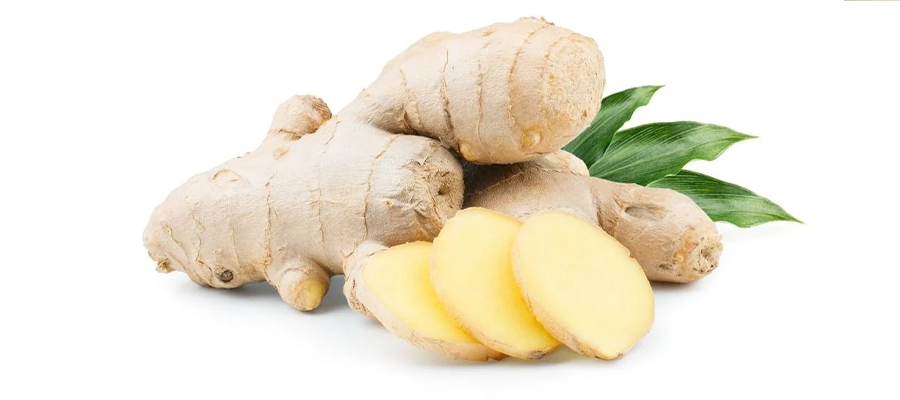
Estimated reading time: 13 minutes 37 seconds
What is ginger? What is ground ginger?
Ginger, with its unique taste that evokes a shifting sensation between sharp, slightly bitter, sweet, and sour flavors, is now commonly used as a spice, especially in the kitchen. Its warm and spicy taste, which adds depth to food and beverages, is one of the reasons for ginger’s widespread use. However, a look at its history shows that humans have used this plant since ancient times.
Ginger, a flowering plant belonging to the Zingiberaceae family, has been used by humans for more than 5,000 years, both as a spice and for its medicinal properties. Ginger, whose root part, called rhizome, is usually consumed, is a plant native to Southeast Asia. Used for thousands of years in both traditional medicine and as a spice, ginger is particularly widespread in India and China.
Ground ginger is dried ginger root that has been ground into a fine powder. While powdered ginger and fresh ginger share many health benefits, the drying process of powdered ginger slightly alters its chemical composition and intensifies its flavor. Powdered ginger is primarily used in cooking and baking, while fresh ginger is often preferred in teas, soups, and medicinal preparations.
Ginger, which can be found in fresh, dried, powdered, or oil form, is used in various fields from the food industry to cosmetics. Due to its benefits, ginger is also widely consumed as tea.
What are the benefits of ginger?
Ginger offers many health benefits, including strengthening the immune system, relieving menstrual cramps, promoting skin health, and alleviating digestive issues. Therefore, it is not easy to make a list of the benefits of ginger. All these benefits have transformed ginger from a spice that simply adds flavor to food into a plant that is frequently used in both traditional and alternative medicine. In recent years, some scientific studies have also drawn the attention of modern medicine to ginger. Let’s take a closer look at the benefits of ginger below.
Some of the benefits of ginger are listed below:
- Digestive system: Ginger is widely known for its ability to relieve digestive disorders. It helps break down food by stimulating the production of saliva and bile. It facilitates digestion and speeds up metabolism. It prevents constipation. Ginger is often used to relieve indigestion, bloating, and gas.
- Stomach: Ginger is particularly effective in reducing nausea. It is commonly used to relieve morning sickness during pregnancy, motion sickness (nausea that occurs when traveling in motor vehicles), and nausea caused by chemotherapy or post-anesthesia. It regulates stomach acid. It is also thought to have a soothing effect on reflux and ulcers.
- Heart and circulation: Ginger may support cardiovascular health by improving circulation and helping to lower blood pressure and LDL cholesterol levels. Its anti-inflammatory and antioxidant properties may also contribute to reducing the risk of heart disease.
- Respiratory system: Thanks to its anti-inflammatory and antimicrobial properties, ginger may help alleviate symptoms of respiratory infections such as sore throat, congestion, and bronchitis. It also helps thin mucus, making it easier to clear the airways. It has a bronchodilatory effect. It is effective in relieving pain and inflammation.
Ginger also has positive effects on strengthening the immune system, balancing blood sugar, supporting liver function, and relieving muscle and menstrual pain. Some scientific studies have concluded that ginger may also help stop the progression of certain types of cancer.
All these benefits make ginger an important plant in traditional and modern health practices. Now let’s take a closer look at the role of ginger in cancer treatment, which we briefly mentioned above.
Is ginger effective against cancer?
We mentioned that ginger is a plant that has been used in traditional medicine for thousands of years. Thanks to its anti-inflammatory and antioxidant properties, ginger has attracted the attention of modern medicine and has been the subject of research. Some scientific studies have investigated the potential anti-cancer properties of ginger.
Some laboratory and animal studies have shown that compounds in ginger, particularly gingerol, may slow the growth of cancer cells or encourage them to self-destruct (a process known as apoptosis). These effects have been observed in studies related to cancers such as ovarian, colon, and pancreatic cancer.
These research findings are promising for cancer research. However, it would be incorrect to conclude that ginger alone can cure cancer. It is important to understand that these scientific research findings are still in their early stages and have mostly been conducted in laboratory settings.
Research supporting the findings we have discussed with studies conducted on humans is still limited. Therefore, more research is needed to reach clear conclusions about ginger’s role in cancer prevention or treatment.
Does ginger cause weight loss?
Ginger is certainly not a magic solution for weight loss. However, when used correctly, it can contribute positively to weight loss. How does this work? How can ginger help with weight loss?
We have previously mentioned ginger’s metabolism-boosting effect. Ginger also helps burn energy by raising body temperature. Another benefit of ginger is its ability to regulate blood sugar levels. This feature, combined with its ability to create a feeling of fullness, can prevent a person from eating more than they need.
When combined with an active lifestyle, ginger can contribute to weight loss by reducing overall calorie intake and speeding up the energy burning process. Some small-scale studies have shown that people who consume ginger regularly experience slight improvements in body weight and waist-to-hip ratio.
Is ground ginger good for coughs?
Coughing is a condition that causes irritation in the throat, especially when it persists for a certain period of time. Ginger’s anti-inflammatory and antibacterial properties help soothe throat irritation associated with coughing and reduce coughing. Powdered ginger can be a useful natural remedy for relieving cough and reducing irritation, especially when used in hot drinks or homemade syrups.
Ginger’s warming effect also helps relax the airways and facilitate mucus flow, making breathing easier. Ginger is also very beneficial for coughs associated with colds or mild respiratory infections, which are common during the winter months. When mixed with honey and warm water, ground ginger provides quick relief from itching or dryness in the throat.
How is ground ginger consumed?
Ground ginger is a versatile spice and can be used in various ways depending on its intended use. In cooking and baking, it adds a unique sweet-and-spicy warmth and flavor to dishes such as cookies, cakes, curry, and soup. When used for medicinal purposes or as a home remedy, it is typically added to teas, smoothies, or infused waters.
Here are some popular ways to consume powdered ginger:
- Tea: You can prepare a soothing drink by boiling half a teaspoon of ground ginger with honey and lemon and mixing it with hot water.
- Smoothie: Add a pinch to fruit or vegetable smoothies for an extra health boost.
- Cooking: Use it as a spice in savory dishes such as stews, lentils, or stir-fries.
- Syrup: Mix with honey and lemon to make a homemade cough syrup.
However, be careful with the amount you use, as too much ground ginger can make these foods taste too strong and may cause stomach upset in some people.
What are the benefits of ginger tea?
You can prepare ginger tea with grated fresh ginger or ground ginger and add a little honey or lemon to make a healthy and delicious drink. Ginger tea, like ginger itself, has many benefits. This soothing and aromatic beverage has been used for centuries to treat various ailments and support overall health.
Some of the benefits of ginger tea are listed below:
- Aids digestion: Ginger tea can help relieve indigestion, gas, and bloating.
- Reduces nausea: It is particularly effective in soothing nausea caused by pregnancy, travel, or illness.
- Boosts immunity: Thanks to its antimicrobial and antioxidant components, ginger tea strengthens the immune system and helps the body fight infections.
- Relieves respiratory issues: The steam and heat of ginger tea help loosen mucus and reduce coughing.
- Relieves menstrual discomfort: Some women report that drinking ginger tea reduces cramps and pain during their menstrual periods.
However, no matter how healthy a drink is, it should be consumed in moderation. Let’s look at the recommended serving size and frequency of ginger tea.
How is ginger tea consumed?
There is no specific time of day when ginger tea should be consumed. However, it is usually consumed in the early morning hours to stimulate the digestive system. In the evenings, it is preferred to relax and calm the stomach. Ginger tea can be consumed plain or enriched with natural additives such as lemon, honey, turmeric, or cinnamon, depending on preference.
For medicinal purposes, many people drink 1-3 cups a day, depending on their needs. For example, someone with a sore throat or mild nausea can sip this tea throughout the day. It is suitable for people who want to aid digestion to have it after meals.
However, it may not be appropriate for people who are new to ginger tea to drink it intensively at first. Instead, it is best to give your body time to get used to it. Therefore, it is best to start with small amounts and see how your body reacts.
How to make fresh ginger tea at home?
Making fresh ginger tea at home is simple and enjoyable. This way, you can enjoy all the aroma and health benefits of ginger without adding preservatives or sweeteners. Here are the steps to follow when preparing ginger tea:
- Peel and thinly slice a piece of fresh ginger root (about 1-2 inches).
- Boil 2 cups of water and add the ginger slices.
- Reduce the heat and simmer for 10-15 minutes.
- Strain the tea into a cup.
- You can also add natural sweeteners like lemon or honey if you like.
The result is a warming, spicy tea that you can customize to suit your taste and health goals. For a stronger, more intense flavor, steep the ginger longer before straining or use more ginger slices.
Can pregnant women drink ginger tea?
Ginger tea is generally considered safe for pregnant women when consumed in reasonable amounts. In fact, it is one of the natural remedies used to relieve morning sickness during the first trimester when nausea is most intense. Ginger’s anti-nausea properties may help relieve nausea and vomiting without the need for medication.
However, pregnancy is a very special time, and women need to be more careful about many things during this period, depending on their specific health conditions. Therefore, as with all other supplements and herbal remedies, you should consult a doctor before making ginger tea a daily habit. Excessive amounts of ginger may not be recommended for women with a history of low blood pressure, bleeding issues, or certain pregnancy complications.