

 TR
TR FR
FR ES
ES RU
RU RO
RO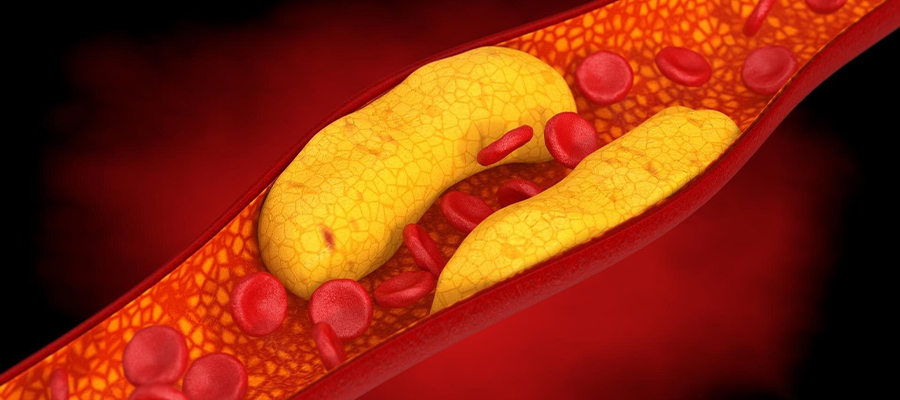
Estimated reading time: 12 minutes 4 seconds
What is cholesterol?
Although the word cholesterol is often associated with poor health, it is actually a substance that has various functions in the body and is necessary for the body.
This fat-like substance plays a crucial role in helping the body produce hormones, vitamin D, and substances that aid in digestion. Therefore, cholesterol, which is often associated with negative connotations, is a substance that contributes to the proper functioning of the body when present at normal levels. So, why is cholesterol, which is necessary for a healthy body, considered harmful to health?
Cholesterol is a substance produced by the liver under normal conditions, but it can also be obtained through various animal-based foods. It is particularly found in animal products such as meat, eggs, and dairy products. When the total amount of cholesterol produced naturally by the body and obtained through animal-based foods exceeds a certain level, health issues begin to arise.
What are the types of cholesterol?
So, how can cholesterol, which is essential for a healthy body, cause serious health problems such as artery blockages, heart disease, and gallbladder disorders?
Types of cholesterol are classified according to the ratio of lipoproteins in cholesterol and their effects on health. Based on the effects of lipoprotein levels on the body, cholesterol types can be classified as good or bad cholesterol as follows:
- Low-Density Lipoprotein (LDL): This type of cholesterol transports cholesterol from the liver to the cells in the body, but over time it accumulates in the artery walls. This accumulation can cause blockages in the arteries and serious conditions such as heart attacks, which is why LDL cholesterol is referred to as “bad cholesterol.”
- High-Density Lipoprotein (HDL): This type of cholesterol collects excess cholesterol in the body and expels it. This prevents buildup in the artery walls and also cleans up bad cholesterol that has already accumulated in the arteries. Because of these properties, this type of cholesterol is called “good cholesterol.”
- Very Low-Density Lipoprotein (VLDL): This type of lipoprotein carries triglycerides, another type of fat, and also contributes to plaque buildup in arteries. This type of cholesterol can also cause conditions such as hardening of the arteries and heart disease.
It is crucial to monitor cholesterol levels carefully and reduce bad cholesterol levels for heart and vascular health. To achieve this, it is essential to eat a healthy diet, avoid processed foods and excessive alcohol consumption, and develop a regular physical activity routine.
What are the differences between LDL and HDL cholesterol?
Although both are types of cholesterol, LDL and HDL cholesterol are fundamentally different.
High levels of LDL cholesterol in the body are undesirable because this type of cholesterol can accumulate in various arteries over time, leading to blockages. These blockages can cause serious health issues such as heart attacks and strokes.
HDL cholesterol, on the other hand, does not accumulate in the arteries and helps remove the bad cholesterol that has accumulated in the arteries, thereby keeping the arteries clean.
Due to these differences, it is ideal for cardiovascular health to keep LDL levels low and HDL levels high.
What causes cholesterol?
So why does bad cholesterol rise? LDL cholesterol levels rise for various reasons, particularly unhealthy eating habits and genetic predisposition. Knowing what causes this type of cholesterol to rise is important for eliminating these factors from your life and leading a healthier lifestyle.
The most common causes are listed below:
- Unhealthy diet: Diets rich in saturated fats, trans fats, and cholesterol can cause LDL levels to rise.
- Lack of physical activity: A sedentary lifestyle can lower HDL and increase LDL and triglyceride levels.
- Obesity: Excess body fat, especially in the abdominal area, is strongly linked to high cholesterol levels.
- Smoking: Tobacco use lowers HDL and damages blood vessels, accelerating the harmful effects of LDL.
- Genetics: Some people inherit a genetic trait called familial hypercholesterolemia, which causes abnormally high LDL levels regardless of lifestyle.
- Certain medical conditions: Diabetes, hypothyroidism, and liver or kidney disease can also affect cholesterol levels.
- Age and gender: Cholesterol levels tend to rise naturally with age, and hormonal changes such as menopause in women can alter cholesterol balance.
Conditions such as genetic inheritance or age and gender factors are beyond a person’s control. However, you can invest in a healthier life by making some changes related to other factors. It is important to monitor these risk factors and take appropriate measures to keep your cholesterol within a healthy range.
What are the symptoms of high cholesterol?
When referring to symptoms of high cholesterol, LDL cholesterol, the dangerous type of cholesterol, is usually meant. This type of cholesterol typically does not cause noticeable symptoms initially. In fact, many people discover they have this type of cholesterol through blood tests done for other reasons. Unfortunately, some people may not realize they have this problem until they experience a serious health issue such as a heart attack or stroke.
The symptoms of high cholesterol usually begin to manifest when cholesterol builds up over a long time, causing hardening of the arteries.
In rare cases, extremely high cholesterol can cause physical symptoms such as yellowish cholesterol deposits (xanthomas) under the skin or around the eyes, or a grayish ring around the cornea (corneal arcus). However, these symptoms are rare and typically seen in cases of familial hypercholesterolemia.
Since there are no common and obvious symptoms of high cholesterol in its early stages, the only reliable way to detect this type of cholesterol early and manage it effectively is through regular monitoring.
What foods should be avoided in high cholesterol?
You can control your high cholesterol levels with a healthy diet. Healthy eating requires conscious eating. This means adding some foods to your diet and removing others. These measures are one of the biggest contributors to regulating your cholesterol levels and improving your heart health.
If you have high bad cholesterol levels, you should avoid the following foods:
- Foods high in saturated fat: Foods such as fatty red meat, full-fat dairy products, butter, lard, and coconut oil are high in saturated fat. Saturated fats can increase LDL cholesterol levels.
- Trans fats: Trans fats, found in many fried foods, packaged snacks, and baked goods made with hydrogenated oils, are particularly harmful and should be avoided entirely.
- Processed meats: Foods such as sausages, bacon, and deli meats are high in both saturated fat and cholesterol.
- Fast food and fried foods: These foods are often cooked with unhealthy fats and frequently contain high levels of sodium and cholesterol.
- Egg yolks and organ meats: Although not harmful when consumed in moderation, these foods are naturally high in cholesterol and should be consumed with caution by those with high cholesterol levels.
Healthy eating, like unhealthy eating, is often a matter of habit. Switching from one to the other can be thought of as giving up existing habits and adopting new ones.
By thinking about how eating fast food and processed foods is harmful to your health, you can mentally prepare yourself for a healthier diet. After a while, you may find that you start to enjoy fruits, vegetables, salads, whole grains, lean proteins, and foods containing omega-3 fatty acids instead of these products.
How can high cholesterol be lowered?
To lower high cholesterol, you usually need to make some changes to your lifestyle, i.e., your diet and exercise habits. In some cases, medication may be necessary in addition to these lifestyle changes.
Some strategies that can be followed to lower high cholesterol are listed below:
- A heart-healthy diet: A diet that includes fiber (such as oats, legumes, and fruits), healthy fats (such as olive oil, nuts, and avocados), and lean proteins (such as fish and skinless chicken) is better for your heart health.
- Regular exercise: A sedentary lifestyle is not good for your heart health. At least 30 minutes of moderate physical activity per day can help raise your HDL levels and lower your LDL cholesterol.
- Weight loss: If you are overweight, even losing a small amount of weight can make a significant difference in your high cholesterol levels. You can support your weight loss process by eating a healthy diet and exercising regularly.
- Limit smoking and alcohol: Smoking is very harmful to your heart and vascular health. Therefore, you should not just cut down on smoking, but quit completely. Quitting smoking can also help regulate your HDL levels. Regular and heavy alcohol consumption can increase your triglyceride levels. Therefore, you should also limit your alcohol intake.
- Take medication if prescribed: In some cases, doctors may recommend statins or other cholesterol-lowering medications to effectively treat high cholesterol levels. You should take the medication prescribed by your doctor as recommended.
The changes you make in the areas listed above are very important for a healthy life. However, remember that even after achieving ideal levels with these changes, you should not revert to old habits. The most important aspect of a healthy lifestyle is maintaining these new healthy habits consistently and organizing your life accordingly. These measures are crucial for lowering your cholesterol and improving your cardiovascular health.