

 TR
TR FR
FR ES
ES RU
RU RO
RO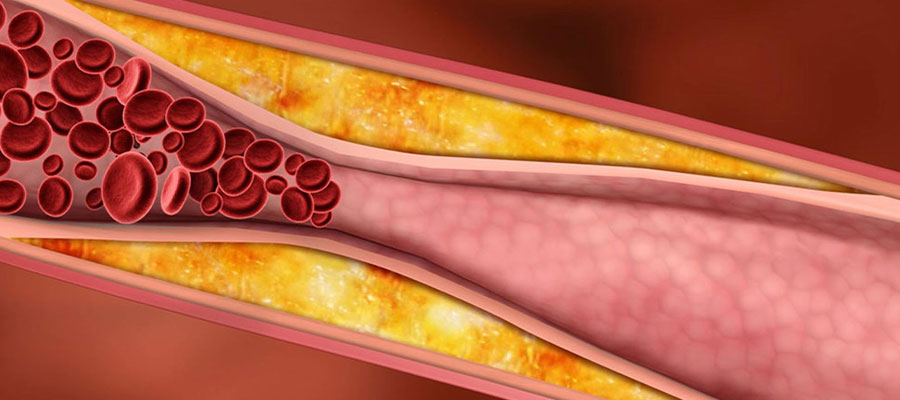
Estimated reading time: 7 minutes 38 seconds
What are triglycerides?
Triglycerides are a type of fat (lipid) that circulates in the blood. These fats are considered one of the body’s main sources of energy. After eating and drinking, our body converts fats that it will not use immediately into triglycerides and stores them for later use. These fats, stored as triglycerides, are kept for use during prolonged fasting and intense physical activity.
While triglycerides play an important role in meeting the body’s energy needs, high levels of triglycerides in the blood are not desirable. There are a series of chain reactions that occur when triglyceride levels in the blood rise. Prolonged high triglyceride levels in the blood cause fatty deposits to form on the walls of blood vessels. Over time, these deposits harden, causing the blood vessels to narrow and slow down blood flow. This can lead to serious conditions such as heart attack or stroke.
As can be understood from what we have written so far, maintaining triglyceride levels within the ideal range is crucial for both overall health and cardiovascular health. For this reason, triglycerides are often measured in routine blood tests along with cholesterol levels to assess heart health risks.
Why do triglycerides rise?
Before answering the question “Why do triglycerides rise?”, let’s start by stating what triglyceride levels are considered high. Triglyceride values of 150 mg/dL and above in your blood tests generally indicate that this parameter needs to be monitored.
Levels between 150 and 199 mg/dL are considered mildly high, between 200 and 499 mg/dL are considered moderately high, and above 500 mg/dL are considered severely high.
Mildly high triglyceride levels between 150 and 199 mg/dL may be caused by temporary factors. However, caution is advised if levels remain high for an extended period of time. So, why do triglycerides rise, and why do they remain at these levels for long periods?
The main factors that raise triglyceride levels are listed below:
- Consuming more calories than you expend
- High sugar and fat consumption
- Obesity
- Uncontrolled diabetes
- Hypothyroidism
- Excessive alcohol consumption
- Certain medications
- Smoking and alcohol use
- Genetic inheritance
What are the symptoms of high triglycerides?
High triglycerides do not usually cause noticeable symptoms on their own. Most people discover this condition during routine blood tests. However, when triglyceride levels are very high and have been elevated for some time, certain symptoms may appear.
These symptoms include fatty deposits under the skin (xanthomas), abdominal pain, headaches, fatigue, and inflammation of the pancreas. Since symptoms only appear in very advanced stages and are rare, regular check-ups are very important for early detection of high triglycerides and for reducing potential risks.
How are high triglycerides treated?
Treatment for high triglycerides usually involves lifestyle changes and, in some cases, medication. Doctors typically begin by recommending dietary changes, increased physical activity, and weight management. You may consider avoiding sugary and processed foods. Instead, eat foods that are rich in fiber, whole grains, and vegetables. Also, consume olive oil and foods that are rich in omega-3s.
If these measures are not sufficient, your doctor may prescribe medications such as fibrates, omega-3 fatty acid supplements, or statins. However, the treatment plan should be personalized based on your specific health condition, triglyceride levels, and the presence of risk factors such as heart disease.
How can triglycerides be lowered?
Lowering triglyceride levels requires patience and determination. Just as it takes time for triglycerides to build up and harden in the artery walls, reversing this process also takes time. To be successful, it is important to maintain healthy lifestyle habits.
Here are some things to keep in mind to lower your triglyceride levels:
- Adopt a balanced diet: Reduce your sugar intake, avoid refined carbohydrates, and focus on healthy fats.
- Increase physical activity: Regular exercise, such as brisk walking, swimming, or cycling, can help you burn extra calories and lower your blood fat levels.
- Maintain a healthy weight: Even moderate weight loss can have a positive effect on your triglyceride levels.
- Limit alcohol consumption: Alcohol is a high-calorie, high-sugar beverage that can quickly raise triglycerides, especially in people who are prone to high triglyceride levels. Limit your alcohol intake.
- Manage other health issues: Controlling diabetes, thyroid disorders, and other chronic conditions can prevent triglycerides from rising further.
Consistency is very important in triglyceride treatment. It would be beneficial to consider the habits listed above not as temporary rules, but as routines you will integrate into your life for a healthy lifestyle.
What foods should you avoid if your triglycerides are high?
With a healthy diet, it is possible to control triglyceride levels to a significant extent. For instance, certain foods can rapidly increase your blood fat levels, which can result in fat buildup in your arteries. Therefore, these foods should be limited or completely eliminated from your diet.
These include:
- Sugary foods and drinks: Soft drinks, sweets, pastries, and other high-sugar foods can quickly raise your triglyceride levels.
- Refined carbohydrates: White bread, pasta, and other processed grains can cause sudden spikes in blood sugar, which can increase fat storage.
- Saturated and trans fats: Fried foods, fast food, packaged snacks, and processed meats are red flag products that you should avoid at all costs.
- Alcohol: Even moderate amounts of alcohol can significantly increase triglyceride levels in some people. You should be very careful with alcohol consumption.
- High-fat dairy products or red meat: Frequent consumption of these can contribute to elevated triglyceride and cholesterol levels. You should consume them with caution.
Replacing the products listed above with whole grains, lean proteins, healthy fats (such as olive oil or avocado), fruits, and vegetables can help keep triglycerides under control while supporting overall heart health.