

 TR
TR FR
FR ES
ES RU
RU RO
RO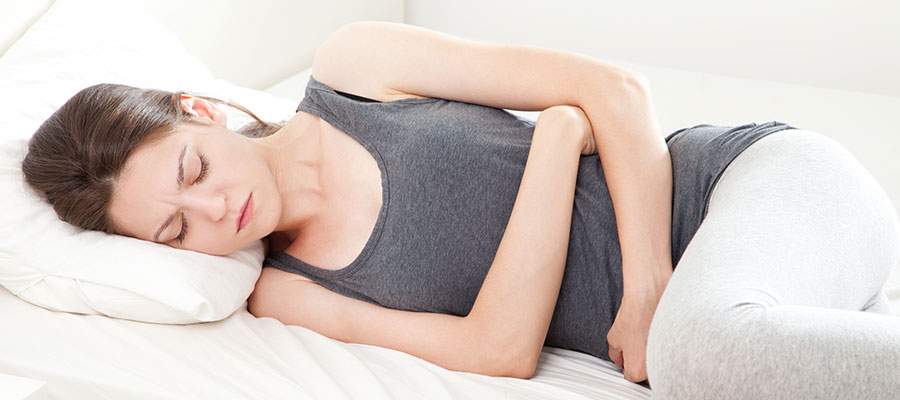
Estimated reading time: 12 minutes 42 seconds
Menstruation is a process that occurs every month as a natural part of a woman’s reproductive system. We have collected the most curious and frequently asked questions about menstruation and answered them in detail. If you want to understand menstruation better and find solutions to problems that may occur during this process, we think you will like our article.
What is Menstruation?
Menstruation is a process that women experience every month as a natural part of the reproductive system. This period occurs when the lining of the uterus is expelled from the body if fertilization does not occur. The menstrual cycle usually lasts between 21-35 days, with bleeding lasting between 3 and 7 days. This process involves uterine contractions and loss of blood and tissue as a result of hormonal changes. Menstruation is one of the signs of a healthy reproductive system and continues from puberty until menopause.
At what age does the first period start?
Girls usually experience their first period between the ages of 9 and 16. This age range can vary depending on factors such as individual genetic factors, hormonal development, and environmental influences. On average, the age of first menstruation is around 12. Throughout puberty, as the body goes through growth and change processes, menstruation also occurs as part of these developments. With the onset of the first period, individuals should be made aware of reproductive health.
How can we calculate the menstrual cycle?
Calculating your menstrual cycle is especially important for understanding your fertile periods or identifying menstrual irregularities. A menstrual cycle is the time from the first day of your period to the first day of your next period. The average cycle length is 28 days, but it can vary from 21-35 days.
To calculate the menstrual cycle:
- Write down the date your period starts on a calendar.
- Mark the date your next period starts.
- Determine the duration of your cycle by calculating the number of days between the two dates.
- Repeat this process for several months to see if you have a regular cycle.
You may also want to use some mobile apps to track your cycle more easily. It is important to consult a doctor if you notice irregularities or unusual conditions during your menstrual cycle.
What are the Symptoms of Menstruation?
Many women may experience physical and emotional symptoms before and during menstruation. These symptoms are caused by hormonal changes and usually begin to be felt a few days before menstruation begins.
Menstrual symptoms may include
- Cramping or pain in the lower abdomen
- Breast tenderness
- Bloating and water retention
- Headache or migraine
- Fatigue and low energy
- Acne or acne formation on the skin
- Emotional fluctuations, irritability, or feeling depressed
However, it is important to note that the symptoms may not be the same for everyone and the severity of the symptoms may vary from person to person.
What is good for period pain?
Menstrual pain is caused by uterine contractions and can be uncomfortable for most women. Considering that this situation is experienced every month, the question of what is good for menstrual pain becomes more important. The pain is usually felt in the lower abdomen, but can also radiate to the back and legs. Fortunately, there are several ways to relieve this pain.
Methods that are good for menstrual pain:
- Hot application: Placing a hot water bottle on your abdomen helps to relax the muscles and relieve the pain.
- Exercise: Light walks or yoga can reduce pain by increasing blood circulation.
- Herbal teas: Chamomile, ginger or fennel teas can relax muscles.
- Painkillers: Painkillers taken on doctor’s advice can be effective.
- Avoiding stress: Relaxing activities may decrease the perception of pain.
If the pain is very severe or interferes with your daily life, you should consult a doctor to find out if there is an underlying health problem.
What are the Causes of Menstrual Irregularity?
Menstrual irregularity is characterized by abnormal changes in the duration, frequency, or amount of bleeding. This can be due to many causes, some of which may indicate serious underlying health problems.
The main causes of menstrual irregularity are as follows:
- Stress: It can disrupt the menstrual cycle by affecting the hormonal balance in the body.
- Hormonal imbalances: Especially common during puberty or menopause.
- Polycystic Ovary Syndrome (PCOS): A condition that affects ovulation patterns.
- Thyroid problems: Imbalances in thyroid hormones can affect the menstrual cycle.
- Extreme weight changes: Rapid weight gain or loss can lead to hormonal changes.
- Birth control methods: Methods such as the pill or a spiral can change the cycle.
If your irregular menstrual cycle persists for a long time, you should see a gynecologist.
Can I have sexual intercourse during my period?
Sexual intercourse during menstruation depends on personal preferences and the couple’s comfort. Medically, there is usually no harm in having intercourse during this time. However, because the cervix is more open during menstruation, the risk of infection is slightly higher. Therefore, it is important to minimize the risk of infection by using contraception.
There is also some scientific evidence that sexual intercourse during menstruation can relieve cramps and pain. This is because the muscles of the uterus relax during orgasm. However, this issue requires couples to pay attention to their comfort level and hygiene conditions.
Is it allowed to take a bath during menstruation?
Yes, bathing during menstruation is perfectly safe and even recommended. Showering during this period is beneficial both for hygiene and to relieve menstrual pain. Hot water can relieve pain by relaxing the muscles of the uterus and help you feel more comfortable by increasing blood circulation.
It is important to pay attention to your hygiene while bathing. Especially in public places such as the ocean or a swimming pool, you should take care to avoid the risk of infection. You can also control bleeding by using tampons or menstrual cups while showering.
Is heavy bleeding during menstruation normal?
Excessive bleeding during menstruation is called “menorrhagia” in the medical literature and is usually defined as filling more than 4-5 pads per day or bleeding that lasts longer than 7 days. This type of bleeding is not considered normal and requires consultation with a health professional.
Possible causes of excessive bleeding include
- Polyps or fibroids in the uterus
- Hormonal imbalances
- Polycystic Ovary Syndrome (PCOS)
- Coagulation disorders
- Intrauterine device (spiral) use
- Thyroid diseases
Excessive bleeding can affect your quality of life and may lead to long-term health problems such as anemia. You should talk to your doctor if you have any of these conditions.
Can I exercise while menstruating?
Exercising during menstruation can provide many physical and emotional benefits. Light to moderate exercise can increase the release of endorphins in your body, which can relieve pain and improve your mood. This type of exercise can also improve circulation and reduce bloating and cramping.
Exercises to do during your period:
- Yoga or Pilates: Gentle stretches relax muscles and reduce pain.
- Walking: Walking at a slow pace can increase your energy.
- Swimming: If you use tampons or menstrual cups, swimming can improve blood circulation and relieve cramps.
- Low-intensity cardio: Light jogging or cycling is a good alternative.
However, you should avoid heavy exercise or pushing yourself too hard. It is important to listen to your body’s limits.
What should our diet be during menstruation?
Diet during menstruation is very important, both to relieve physical symptoms and to maintain energy levels. During this time, some foods may reduce bloating and pain, while others may increase your symptoms.
Recommended foods during menstruation:
- Iron-rich foods: Foods such as red meat, spinach, and lentils should be consumed to balance iron levels that decrease with blood loss.
- Omega-3 fatty acids: Foods such as salmon, walnuts, or flaxseed can reduce inflammation.
- Magnesium: Bananas, avocados, and almonds can relieve muscle pain.
- Vitamin C: Oranges, strawberries, and broccoli support your immune system.
Foods to avoid:
- Overly salty foods: Can cause water retention and increase bloating.
- Caffeine: Can increase headaches and tension.
- Sugar: Can cause blood sugar fluctuations, which can negatively affect your mood.
By paying attention to these suggestions during your menstrual periods, you can help alleviate both your physical and emotional symptoms.
Is it normal to experience emotional changes during menstruation?
Yes, experiencing emotional changes during menstruation is quite common and is often associated with fluctuations in hormone levels. As estrogen and progesterone levels change during this period, emotional symptoms such as irritability, anxiety, sadness, or loss of motivation may occur.
This condition, known as premenstrual syndrome (PMS), can be more severe in some women. To help you feel better, you may try the following:
- You can meditate or do breathing exercises to manage stress.
- Talk to your loved ones for emotional support.
- You can prioritize rest by pampering yourself.
If these symptoms are seriously affecting your daily life, it is important to consult a specialist to find out if there is another underlying condition.
Can you get pregnant during your period?
Although the chances of getting pregnant during your period are quite low, it is not completely impossible. In the early days of your period, ovulation has not yet started, so pregnancy is almost impossible. However, sperm cells can remain viable in a woman’s body for up to 5 days. If you have unprotected intercourse in the last days of your period and ovulation occurs early, pregnancy is possible.
It is recommended that you use effective contraception at all times, including during your period, to completely avoid pregnancy.
Is it safe to use tampons during menstruation?
Yes, it is safe to use tampons during your period, but you need to follow a few rules. Tampons should be used hygienically and changed at the recommended intervals. Tampons are a convenient way to control bleeding and are especially useful for people with busy lifestyles.
Things to remember when using a tampon:
- Changing the tampon every 4-6 hours reduces the risk of infection.
- Be careful not to leave the same tampon for a long time when using it at night.
- Tampons with a high level of absorbency should be avoided due to the risk of toxic shock syndrome (TSS).
As long as hygienic usage rules are observed, tampons are a safe and comfortable option.
I use painkillers during my period. Is it a problem?
Taking painkillers during menstruation is a common and generally safe way to relieve pain, especially severe cramps and pain. Non-steroidal anti-inflammatory drugs (NSAIDs) can be effective in reducing pain. These medicines work by lowering the level of substances called prostaglandins, which cause uterine contractions.
However, there are some points to be aware of:
- Dosage: It is important to use the medicine at the recommended dose and for the recommended length of time. Too much painkillers may cause stomach upset or other side effects.
- Chronic use: If you have an excessive need for painkillers every menstrual period, it is important to see a doctor as there may be an underlying health problem.
- Alternative methods: To avoid relying solely on medication, you can try to relieve your pain with natural remedies such as hot compresses, exercise, and herbal teas.
When used correctly, painkillers can help you cope with period pain, but you should always consult a specialist for long-term or excessive use.
Why does menstrual bloating occur?
Menstrual bloating is a common complaint experienced by many women and is usually caused by changes in hormone levels. Fluctuations in estrogen and progesterone levels before and during menstruation can cause the body to retain more water and salt. This causes a feeling of bloating, especially in the abdomen.
To relieve bloating:
- Watch your fluid intake: Drinking water keeps your body hydrated and reduces bloating.
- Limit salt consumption: Overly salty foods can increase water retention.
- Eat foods rich in potassium: Foods such as bananas, avocados, and sweet potatoes can relieve bloating.
- Exercise: Light physical activity can help remove excess fluid from the body by increasing circulation.
If bloating becomes uncomfortable, it may be a sign of hormonal imbalances. In such cases, it is best to consult a specialist.