

 TR
TR FR
FR ES
ES RU
RU RO
RO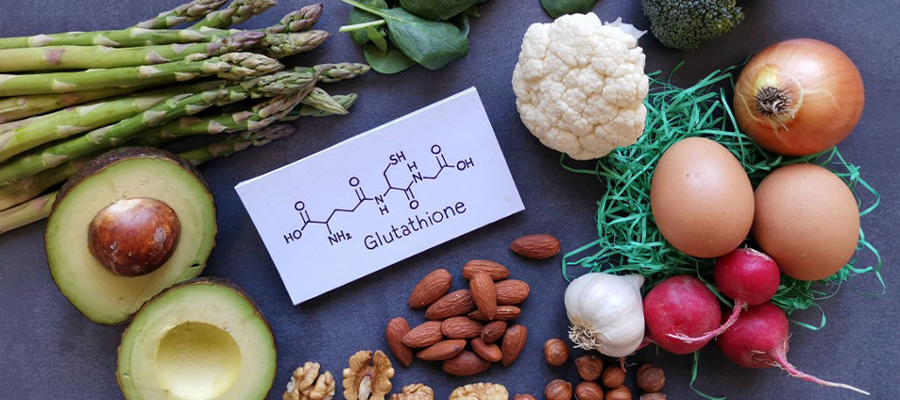
Estimated reading time: 8 minutes 26 seconds
What You Need to Know About Glutathione
We all know how important antioxidants are for our bodies. However, due to aging, stress, diseases, or environmental factors, these antioxidants can decrease over time. In such cases, our bodies need antioxidants from external sources.
Glutathione is a powerful antioxidant that is naturally produced in our bodies but can also be obtained from external sources. Playing important roles in various areas, including cell protection, detoxification processes, and overall health, glutathione has gained popularity in recent years, particularly in skin care.
So, what exactly is glutathione, and why has it become so intriguing lately? In this article, we will examine the functions of glutathione, its sources, its health benefits, and whether there is a scientific basis for the recent excitement surrounding its use in skin whitening. If you are curious about the answers to these questions, keep reading.
What is glutathione?
Glutathione is a powerful antioxidant produced by the body, composed of three amino acids: glutamine, cysteine, and glycine. It plays a crucial role in neutralizing free radicals. As is well known, free radicals are molecules that can cause various diseases, damage cells, and lead to aging. Glutamine is one of the antioxidants that work to neutralize the effects of free radicals.
Glutamine also plays a role in promoting cell renewal, supporting the immune system, and helping to eliminate toxins from the body. Additionally, it helps replenish other antioxidants such as vitamins C and E and supports liver functions necessary for filtering toxins and maintaining overall health. Considering all these properties, antioxidants are truly the miraculous protectors of our bodies.
What are the benefits of glutathione?
Let’s talk about the benefits of glutathione, which we mentioned in general terms above, in a little more detail. Because it plays a role in numerous vital cellular processes, the benefits of glutathione are evident in a wide range of areas.
Some of the important benefits of glutathione can be listed as follows:
- Detoxification: Glutathione helps eliminate heavy metals, pollutants, and other toxins from the body, particularly through the liver.
- Strong immune system: It strengthens the function of immune cells and helps the body respond more effectively to infections and inflammation.
- Anti-aging effect: By reducing oxidative stress and cellular damage, glutathione can slow down the aging process and improve skin health.
- Protection of brain health: It helps protect brain cells from oxidative stress and may play a role in preventing cognitive decline.
- Energy and endurance: By supporting mitochondrial function, glutathione can increase physical energy and endurance.
All these properties have made glutathione a subject of interest for researchers. Glutathione continues to be studied in relation to cancer, heart disease, diabetes, and other chronic diseases, including neurodegenerative diseases such as Alzheimer’s and Parkinson’s.
Which foods contain glutathione?
Although glutathione is an antioxidant produced naturally by the body, its production may not be sufficient for various reasons. In such cases, we need to obtain these antioxidants through food.
Glutathione is found naturally in various foods. However, how we consume these foods is also important for this content to be transferred to the body without spoilage.
Some foods rich in glutathione are:
- Cruciferous vegetables: Broccoli, cauliflower, Brussels sprouts, and cabbage contain sulfur compounds that support glutathione synthesis.
- Avocado: Rich in glutathione and healthy fats that support overall health.
- Spinach and asparagus: Both are natural sources of glutathione and other antioxidants.
- Garlic and onions: These sulfur-rich foods help the liver produce more glutathione.
- Whey protein: Rich in cysteine, an important building block for glutathione production.
- Turmeric: It contains curcumin, which has been shown to help increase glutathione levels in the body.
To get the maximum benefit of glutathione from these foods, you should pay attention to how you consume them. Cooking or frying these foods will destroy some of the glutathione they contain. Therefore, it is more beneficial to consume these foods raw or lightly steamed if possible.
How can glutathione be increased?
It is very important to maintain glutathione levels in the body above a certain level to maintain overall health. However, it can be difficult to maintain these levels, especially as you get older, live under constant stress, or have an ongoing health problem. Fortunately, there are several effective ways to increase glutathione in the body.
Let’s take a look at what can be done to increase glutathione levels:
- You can support your body’s glutathione production by consuming foods such as cruciferous vegetables, garlic, and avocados.
- You can add spinach, broccoli, garlic, onions, walnuts, almonds, and green tea to your diet.
- Oral glutathione supplements can be helpful, though absorption may vary (liposomal formulations generally have higher bioavailability).
- Use precursors such as N-acetylcysteine (NAC), alpha-lipoic acid, and selenium to support the body’s natural glutathione production.
- Minimize your consumption of alcohol and toxins.
- Engage in moderate, regular exercise to strengthen your body’s antioxidant defense, including glutathione production.
- Aim for a lifestyle that includes adequate, quality sleep and minimizes stress.
By making these changes, you can help maintain your body’s antioxidant balance and take steps toward a healthier life.
Does glutathione whiten the skin?
Another topic of interest regarding glutathione is its potential effect on lightening skin tone. This interest stems from glutathione’s potential to influence the production of melanin, the pigment that gives skin its dark color.
In some areas, glutathione is used as a skin lightener based on the idea that it may shift melanin production from darker eumelanin to lighter pheomelanin. However, scientific studies on the direct effect of glutathione in this area are not yet sufficient. Therefore, the medical use of glutathione for this purpose is not common in many countries.
Given that scientific research in this area has not yet reached a certain level of maturity, it is important to approach the cosmetic use of glutathione, especially in injectable forms, with caution.
Are there any risks associated with glutathione?
It is generally considered safe to consume through food when glutathione, naturally produced by the body, is not sufficient. Glutathione supplements, especially when taken orally at average doses, are well tolerated by most people. However, as with all supplements, there may be some potential risks associated with glutathione supplements.
These risks can be listed as follows:
- Although rare, some people may experience mild allergic reactions such as redness and stomach cramps.
- The use of high doses of glutathione and IV administration is not regulated in many countries and may have unknown long-term effects.
- Glutathione forms that are inhaled have been associated with respiratory symptoms, especially in people with asthma.