

 TR
 FR
 ES
 RU
 RO
Estimated reading time: 10 minutes 57 seconds
What is anemia? What you need to know about anemia
When you constantly feel tired throughout the day or notice that your energy runs out quickly, anemia is often one of the first possible causes that comes to mind. Anemia is a condition in which the hemoglobin level in the blood falls below the expected range for your age and sex. Although it may sometimes progress silently without causing any symptoms, as hemoglobin levels decrease, problems such as weakness, dizziness, or shortness of breath can begin to interfere with daily life.
The most important medical fact to understand is that anemia is not a disease on its own, but rather a reflection of another underlying problem in the body.
So, what causes anemia, how does your body respond when blood values decrease, and how is the underlying cause diagnosed? In this article, we examine the most common questions about anemia in detail.
Low hemoglobin: How does anemia develop in the body?
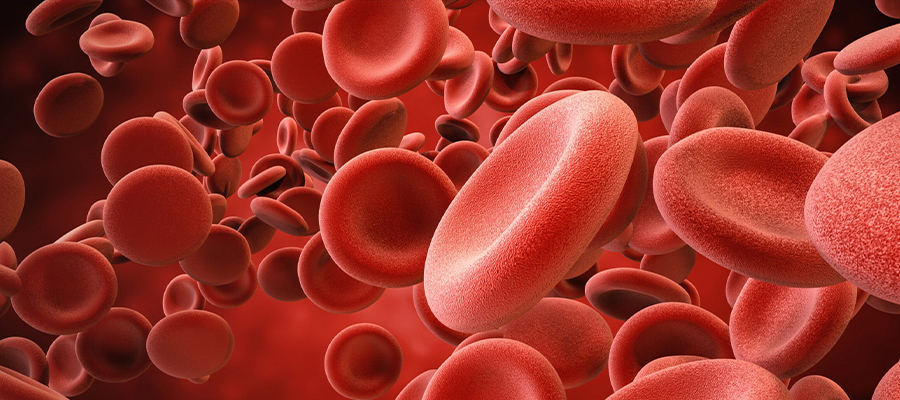
You can think of your body as a perfectly functioning system and your red blood cells as the tireless transport vehicles within that system. Hemoglobin is the essential protein carried inside these vehicles, transporting oxygen from the lungs to all of your tissues. When the amount of this protein decreases due to your age or physiological condition, in other words, when you have low hemoglobin, the blood’s capacity to deliver oxygen to your organs inevitably decreases. This is the fundamental mechanism behind anemia.
When oxygen levels fall, your body does not simply give up. Instead, it begins working harder to compensate for the shortage. Your heart beats faster to deliver enough oxygen to your tissues, while your lungs require more air.
To give an example from everyday life, becoming short of breath while completing routine tasks or climbing stairs, suddenly feeling your heart race, or experiencing persistent fatigue may all result from this internal compensatory effort. How quickly anemia develops and how well your body is able to adapt are among the most important factors determining the severity of your symptoms.
What are the symptoms of anemia? Can anemia cause hair loss?
When your body cannot transport enough oxygen to the tissues, it begins sending warning signals. These signals are the symptoms of anemia. Some of the most common symptoms of anemia seen in outpatient clinics include:
- Persistent weakness and constant fatigue
- Dizziness or temporary darkening of vision when standing up suddenly
- Paleness of the skin, inner lips, and nail beds
- Shortness of breath while climbing stairs or performing light physical activity
- Unexplained sensations of heart palpitations
- Persistent coldness, particularly in the hands and feet
- Difficulty concentrating, reduced attention, and headaches
The severity of your symptoms depends not only on how low your blood values are, but also on how quickly the decrease occurs. Mild anemia that develops gradually may cause no symptoms at all, whereas a sudden drop may lead to more severe palpitations or a feeling of faintness.
Now let us address another question that frequently concerns patients: Can anemia cause hair loss? Yes. Hair loss is a relatively common complaint, particularly when iron deficiency accompanies anemia. Hair follicles require adequate blood flow and micronutrients in order to grow and remain healthy.
However, not every type of anemia causes hair loss, and anemia is not the cause of every case of hair loss. Thyroid disorders, severe stress, hormonal changes, and genetic predisposition are among many other possible causes. Therefore, taking iron supplements based solely on hair loss or fatigue, without medical evaluation, may not provide any benefit and may delay identification of the actual problem. The safest way to determine what your body needs is through appropriate blood tests ordered by your doctor.
What causes anemia?
After being diagnosed with anemia, people often try to explain the condition by linking it to what they have recently eaten or drunk, or to stress. Although many people assume that anemia must be the result of something they have done wrong, this is not necessarily the case medically.
Stress alone does not directly cause anemia. Furthermore, regardless of how carefully you manage your diet, certain conditions beyond your control may reduce your blood values. Therefore, when a deficiency is detected, the focus should be on identifying the underlying problem and addressing its cause.
The question “What causes anemia?” can be explained more clearly through three main mechanisms:
- Insufficient production of blood cells: Your bone marrow requires building blocks such as iron, vitamin B12, and folate to produce red blood cells. However, the problem is not always that you are consuming too little of these nutrients. For example, if you have a malabsorption disorder such as celiac disease, these vitamins and minerals may not be absorbed properly regardless of how well you eat. Chronic kidney disease and long-term inflammatory conditions can also slow red blood cell production in the bone marrow.
- Blood loss: Even if your body is producing blood normally, you may be losing it somewhere without realizing it. Heavy or prolonged menstrual bleeding in women and hidden bleeding from the gastrointestinal tract can gradually deplete iron stores. If your diet is balanced but your iron levels continue to fall, simply taking iron medication is not sufficient.
- Red blood cells being destroyed too quickly: Sometimes the problem is neither production nor bleeding. Red blood cells may break down in the circulation before completing their normal lifespan. In inherited conditions such as thalassemia, also known as Mediterranean anemia, or in certain immune system disorders, the body may destroy red blood cells much faster than expected.
Are iron deficiency and anemia the same thing?
Although the terms are often used interchangeably, iron deficiency and anemia are not medically the same condition. Understanding this distinction is important for correctly interpreting your treatment process.
Iron deficiency means that the amount of iron stored in your body has started to decrease. However, the body can tolerate this deficiency for some time. Even when iron levels begin to fall, red blood cells may continue to be produced at normal levels for a while. This means that your tests may show iron deficiency even though you have not yet developed anemia.
The opposite scenario is also possible. Your hemoglobin level may be low even though your iron stores are not depleted. As mentioned earlier, vitamin deficiencies, chronic diseases, and genetic factors can also cause anemia.
This is exactly why a normal complete blood count does not necessarily mean that your iron levels are sufficient, and why starting iron tablets without medical evaluation simply because certain values are low may not solve the problem. The important step is to identify the underlying cause through appropriate blood tests.
How is anemia diagnosed: What should blood levels be?
When you receive your laboratory results, the first value you are likely to notice is hemoglobin (Hb). The answer to the commonly asked question, “What should my blood level be?” actually varies according to your age, sex, and whether you are pregnant. However, general reference thresholds include:
- In adult men: below 13 g/dL
- In non-pregnant women: below 12 g/dL
- During pregnancy: due to physiological changes in the body, levels below 11 g/dL during the first and third trimesters and below 10.5 g/dL during the second trimester are generally considered anemia.
However, these numbers on your laboratory report are only the first step in the diagnostic process. A low hemoglobin result tells us only that anemia is present. The more important question is why the hemoglobin level is low.
This is where other findings from the complete blood count become important. For example, the MCV value, which indicates the average size of red blood cells, is evaluated. If your red blood cells are smaller than normal, iron deficiency may be suspected. If they are larger than normal, vitamin B12 or folate deficiency may be considered.
Ferritin, which reflects the body’s iron stores, also plays a key role in diagnosis. However, there is an important detail to keep in mind. If you have an infection or inflammatory condition at the time of testing, your ferritin level may temporarily increase. This can mask a genuine iron deficiency. Therefore, diagnosis should not be based on a single laboratory value. The size of your blood cells, your iron stores, vitamin levels, symptoms, and overall clinical condition should all be evaluated together.
Warnings and recommendations from Aktif International Hospital internal medicine doctors
Trying to suppress the signals your body is sending by taking supplements without proper evaluation may cause an underlying health problem to be overlooked. For a lasting and safe recovery process, you should avoid diagnosing yourself. Recommendations from the internal medicine doctors at our hospital that should be taken into consideration include:
- If your blood values begin to fall again some time after completing treatment, do not ignore the situation. There may be another underlying cause.
- During your medical examination, make sure to tell your doctor about persistent stomach problems, unexplained weight loss, or changes in bowel habits.
- Do not assume that symptoms such as fatigue, dizziness, or hair loss are caused by a specific deficiency and start taking supplements without having appropriate tests.
- Always inform your doctor about any medications you use regularly and any previous stomach or intestinal surgeries you have undergone.
To protect your health, the goal should not simply be to temporarily increase low laboratory values. Instead, the underlying cause should be identified under the supervision of a specialist so that a sustainable solution can be achieved.
How is anemia treated?
One of the questions our patients frequently ask is, “Should I start taking iron medication immediately?” The answer depends on the type of anemia involved. Successful anemia treatment aims not only to increase low hemoglobin levels, but also to eliminate the underlying cause of the decrease. For this reason, a standard iron tablet that has worked well for someone you know may not be appropriate for you.
If testing shows that the problem is iron deficiency, oral iron supplements are usually the first step. However, treatment does not necessarily end once your blood values return to the normal range. It may take several months for the body’s iron stores to be fully replenished. In certain situations, such as when oral medication causes significant side effects, iron cannot be adequately absorbed through the digestive system, or blood values need to improve more rapidly, intravenous iron treatment may be preferred based on your doctor’s evaluation.
The critical point to remember is that simply replacing what is missing does not provide a permanent solution. If underlying causes such as heavy menstrual bleeding or gastrointestinal problems are not identified and treated, anemia may return after treatment is completed.
If anemia is caused by vitamin B12 or folate deficiency, the treatment approach is completely different and involves replacing the deficient vitamin. In anemia associated with chronic kidney disease, medications that stimulate blood cell production may be used, while genetic blood disorders require entirely different medical approaches.
Blood transfusion, another treatment that patients sometimes ask about, is not a routine procedure for every case of anemia. It is a specific intervention generally reserved for situations involving sudden blood loss or severe anemia that threatens vital functions.
Once treatment has started, the process should be monitored through follow-up blood tests. If the expected improvement does not occur, your doctor may reassess treatment adherence, possible absorption problems, or another underlying cause that may previously have been overlooked.
Nutrition for anemia: Can anemia be treated with diet alone?
A balanced diet is a very important part of treatment. However, if your blood values have fallen below a certain level, dietary changes alone cannot replace medical treatment for anemia. Unfortunately, it is not usually possible to correct a significant deficiency quickly using only the iron obtained from food. Nevertheless, there are several effective dietary changes that can support your treatment and help reduce the risk of anemia recurring:
- In addition to animal-based foods such as red meat, fish, poultry, and eggs, foods including lentils, chickpeas, and dark green leafy vegetables can be included in your diet.
- Iron from plant-based foods is more difficult for the body to absorb than iron from animal sources. To improve absorption, plant-based iron sources can be consumed together with vitamin C-rich foods such as tomatoes, fresh peppers, or citrus fruits.
- Certain compounds found in tea and coffee, beverages widely consumed in many cultures, can reduce iron absorption. Therefore, particularly after iron-rich main meals, it is advisable to avoid drinking strong tea or coffee immediately afterward.
As these points demonstrate, rather than focusing only on the question, “Which foods increase blood levels?”, the more appropriate approach is to continue the treatment planned by your doctor while supporting it with a balanced and appropriate diet.
When is anemia dangerous?
Although anemia often develops gradually and causes relatively mild symptoms, in some cases it can represent a medical emergency. The most important factor determining the level of risk is not simply the number shown on your laboratory report, but rather how quickly the decrease has occurred and how your body is responding.
When your heart is forced to work far beyond its usual capacity to deliver enough oxygen to your tissues, or when active blood loss is occurring, certain warning signs require immediate evaluation in the emergency department rather than waiting for a routine outpatient appointment:
- Severe shortness of breath even while resting
- New-onset chest pain or pressure
- Fainting, severe weakness, or confusion
- Very rapid or irregular heartbeat accompanied by severe palpitations
- Vomiting blood or passing black, tarry stools
- Uncontrollable, excessively heavy menstrual bleeding or other visible active bleeding
Newly developed anemia, particularly in men or postmenopausal women, should not be dismissed as a simple dietary deficiency. In these groups, anemia may sometimes be the first sign of hidden bleeding from the stomach or intestines and should therefore be investigated thoroughly under medical supervision.