

 TR
TR FR
FR ES
ES RU
RU RO
RO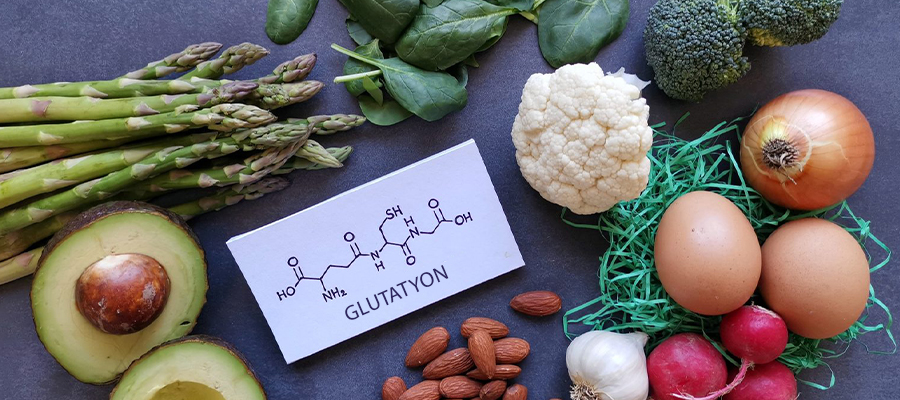
Estimated reading time: 6 minutes 32 seconds
What you need to know about glutathione
The pace of daily life, the stress we are exposed to, air pollution, and our eating habits all place a significant burden on our bodies, often without us realizing it. When we feel tired, unmotivated, or low on energy, it is usually not due to a single cause. Subtle yet impactful changes occurring at the cellular level are also an important part of this process.
In recent years, glutathione has frequently come to the forefront in both health and holistic well-being discussions, drawing attention precisely at this point. So what is glutathione, what does it do in our body, and why does it play such an important role? In this article, we take a closer look at glutathione from its most commonly wondered-about aspects.
What is glutathione?
Glutathione is a powerful antioxidant that is naturally produced in our bodies and is vital for cellular health. It is essentially composed of three amino acids—glutamine, glycine, and cysteine—and is found in high concentrations, especially in the liver. It plays a central role in the body’s fight against toxins, free radicals, and environmental stressors. For all these reasons, glutathione is directly associated with the immune system, cellular renewal, and detoxification mechanisms.
What does glutathione do?
The primary function of glutathione is to protect cells against oxidative stress. Oxidative stress occurs when harmful molecules known as free radicals outnumber the antioxidants that neutralize them.
Every day exposure to stress, air pollution, cigarette smoke, medications, and certain foods increases the formation of these free radicals in cells. Glutathione neutralizes these harmful molecules, thereby reducing cellular damage. At the same time, it supports the balanced functioning of the immune system and plays an active role in the body’s self-repair processes.
What are the benefits of glutathione?
After discussing what glutathione is and what it does, let’s now look at the question of what the benefits of glutathione are. These beneficial properties do not affect just a single system; they involve multifaceted effects that concern the entire body. To see these benefits more clearly, it is helpful to address the main effects in a list.
Some of the benefits of glutathione can be listed as follows:
- Protects cells against damage caused by free radicals
- Supports the liver’s detoxification processes
- Contributes to a more balanced and stronger immune system
- May help promote a brighter and more vibrant appearance of the skin
- May contribute to a reduction in fatigue by supporting energy production processes
What are the symptoms of glutathione deficiency?
As you may have noticed, the positive effects that occur when glutathione levels are sufficient in the body can be quite significant. But of course, there are also situations where these levels are insufficient.
Glutathione levels in the body may decrease for various reasons, and this can manifest over time as symptoms of glutathione deficiency. These symptoms are generally not specific, but when they occur together, they can become noticeable. Below, we have listed some of the most common symptoms that may be encountered in the case of glutathione deficiency.
- Persistent fatigue and weakness
- More frequent infections
- Pale or dull-looking skin
- Difficulty concentrating
- Slower healing processes
What is glutathione therapy?
Glutathione therapy is a complementary approach used to support decreased glutathione levels in the body. This therapy is planned according to the individual’s needs and overall health status. The goal is to increase cellular antioxidant capacity and support the body’s natural defense mechanisms. Glutathione therapy should be administered by specialists under medical supervision. After answering the question of what glutathione therapy is, let’s now take a closer look at how this therapy is performed.
How is glutathione therapy performed?
The method of administering glutathione therapy is determined specifically according to the person’s needs, and different methods may be preferred depending on these needs during treatment. Which method is suitable is evaluated based on factors such as age, lifestyle, current health status, and expectations.
- Intravenous (IV) administration
- Oral supplements
- Sublingual or liposomal forms
Each method has a different absorption rate and level of effectiveness; therefore, the treatment plan should always be created based on a specialist’s evaluation.
Is glutathione used in serum form?
Glutathione is most commonly administered intravenously in the form of a glutathione serum. With this method, glutathione is delivered directly into the bloodstream, resulting in higher bioavailability compared to oral supplements.
Glutathione serum applications may be preferred especially in situations where a rapid effect is desired. However, it should not be forgotten that serum applications must be carried out by healthcare professionals and under proper medical facility conditions.
Is glutathione supplementation safe? Are there any side effects?
Glutathione supplementation is generally considered safe, but as with any supplement, individual differences are important. Dosage, method of administration, and the person’s existing health condition are determining factors in terms of safety. Although side effects are rare, caution is especially required with intravenous applications.
- Mild headache or nausea
- Allergic reactions (very rare)
- Temporary blood pressure changes during administration
For this reason, if glutathione supplementation or therapy is being considered, the person should consult a healthcare professional and proceed in line with a doctor’s guidance in order to minimize potential side effects and risks.