

 TR
TR FR
FR ES
ES RU
RU RO
RO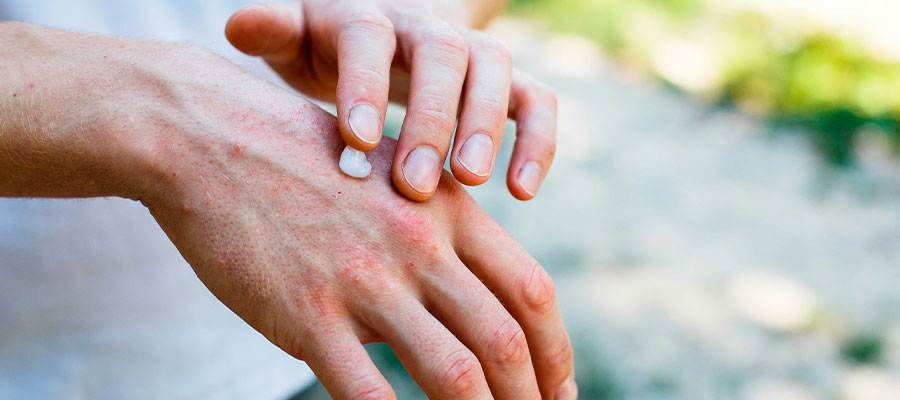
Estimated reading time: 6 minutes 58 seconds
What is Eczema?
Eczema, which is more common in children and babies but can also occur in adults, is a skin condition that is characterized by symptoms such as inflammation, redness, dryness, and itching. The root cause of this disease, which causes skin irritation, is not known exactly. However, a mixture of genetic and environmental factors that disrupt the skin’s natural barrier is thought to be effective in the emergence of this condition.
Eczema is not a static condition with the same severity all the time. Rather, it appears as an attack, be effective for a while, and then recede. Although it is not a major health problem, the flaking, redness, and itching of the skin that occurs with eczema can become a disturbing problem in everyday life.
What are the symptoms of eczema?
So, how do we know if we have eczema, and what are the symptoms? Eczema can manifest in different ways, depending on the person’s age, skin tone, and the severity of the condition. However, some distinctive symptoms are common to most types of eczema.
- Itching and skin damage due to prolonged scratching
- Red or inflamed skin (may appear brown, purple, or gray on dark skin)
- Dry, scaly skin
- Small, fluid-filled blisters and oozing lesions that occur during exacerbations
- The formation of a thickened tissue on the skin due to repeated scratching (lichenification)
These symptoms mainly appear on the face, hands, elbows, knees, or neck. However, eczema is not limited to these areas and can occur anywhere on the body.
What causes eczema?
The exact cause of eczema is unknown. It is thought that a combination of factors, including genetic predisposition and environmental triggers, can trigger eczema.
We can list some of the factors that can cause eczema as follows:
- Genetic predisposition to eczema in people with a family history of eczema, asthma, or allergies
- Failure to produce proteins and fats that protect the skin, i.e., dysfunction in the skin barrier
- An active immune system response that overreacts to irritants or allergens
- Environmental factors such as harsh soaps, detergents, pollen, smoke, and even weather changes
- Stress, with its worsening effect on symptoms, even if it is not a direct factor
Eczema can occur for the reasons mentioned above or for several other reasons. Determining the cause of eczema during the treatment process is also very important in determining the correct treatment method.
What are the Types of Eczema?
When we say eczema, we are not talking about a single skin disease with a single trigger that occurs similarly. Eczema is a condition that can occur with different triggers and follow different patterns. Understanding these different types of eczema can help us better determine the type of treatment.
We can list the different types of eczema as follows:
- Atopic Dermatitis: The most common form of eczema, which is often associated with other allergic conditions such as asthma and hay fever.
- Contact Dermatitis: This type of eczema occurs as a localized reaction after the skin is exposed to irritants or allergens.
- Dyshidrotic Eczema: Occurs with small, itchy blisters on the hands and feet, usually after stress, allergies, or exposure to moisture.
- Nummular Eczema: Appears as round, coin-shaped patches of irritated skin and is more common in adults.
- Seborrheic Dermatitis: This type of eczema occurs mostly on the scalp, face, and chest and is thought to be linked to yeast on the skin.
- Stasis Dermatitis: This occurs on the lower legs in people with poor circulation and causes swelling, redness, and scaling.
How is eczema diagnosed?
Eczema is diagnosed after a physical examination by a dermatologist or health care provider. Since no single test can confirm eczema, the diagnosis is based on medical history and the appearance of the skin.
Your doctor may ask the following questions to diagnose eczema:
- When symptoms start and how they change over time
- Whether there is a family history of allergy, asthma, or eczema
- Whether there are known triggers
- Previous treatments and results
Is Eczema Contagious?
No, eczema is not contagious. You cannot catch eczema from another person through touch, air, or any contact. However, the skin can become infected due to scratching caused by eczema. This skin infection can be contagious if the infected skin is not treated properly.
How is eczema treated?
The treatment of eczema, which has no permanent cure, is more about managing the symptoms. Proper treatment can relieve the discomfort caused by the symptoms and improve the skin. Below, we will look at what can be done to treat it.
Moisturizers: Daily use of fragrance-free, intensive moisturizers helps to maintain the skin barrier and reduce dryness.
- Topical corticosteroids: These reduce inflammation and itching during flare-ups but should be used under medical supervision.
- Antihistamines: In some cases, antihistamines may be prescribed to help control itching, especially at night.
- Calcineurin inhibitors: Non-steroidal creams that can be used for sensitive areas such as the face or eyelids.
- Lifestyle adjustments: Avoiding factors that can trigger eczema, managing stress, and using gentle skin care products can help keep symptoms at bay.
- Phototherapy or systemic medications: Light therapy or oral medications may be considered for severe eczema that does not respond to topical treatments.
Consistency and daily skin care routines are important parts of keeping eczema under control.
What Causes Eczema in Babies?
Although eczema can affect all age groups, it is very common in babies, especially in the first six months to a year of life. It is not entirely clear what causes eczema in babies, but there are a few key factors that are thought to be triggers:
- Immature skin barrier: Babies’ skin is much thinner and more sensitive than that of adults. They are therefore more vulnerable to dryness and irritation.
- Genetics: Babies with a family history of eczema, allergies, or asthma have a higher risk of developing eczema.
- Environmental irritants: Soaps, detergents, fragrances, fabrics, or food particles can irritate a baby’s sensitive skin.
- Allergens: In some cases, reactions to certain foods (such as dairy or eggs) or environmental allergens can trigger flare-ups.
- Climate and temperature changes: Heat, humidity, or dry air can cause eczema symptoms to appear in babies.
Baby eczema can usually be managed with gentle skin care routines, moisturizing, and avoiding irritants. However, if eczema persists, a visit to a healthcare provider may be necessary.