

 TR
TR FR
FR ES
ES RU
RU RO
RO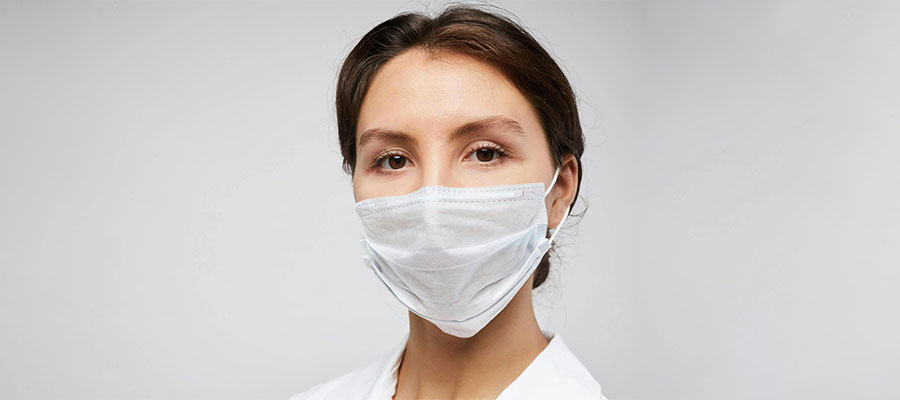
Estimated reading time: 11 minutes 5 seconds
Tuberculosis has caused serious health problems throughout human history and is still an infectious disease that affects millions of people today. Tuberculosis affects people with weakened immune systems and is considered a major public health problem worldwide. The infection, which starts in the lungs, can spread to other organs such as the brain, kidneys and bones if not diagnosed early.
But how is TB transmitted? Who is at greater risk? What are the symptoms and how is it diagnosed? Most importantly, how is it treated and what should you consider when fighting the disease? In this article you will find answers to the most frequently asked questions about tuberculosis, as well as important information on how to prevent the disease.
What is Tuberculosis?
Tuberculosis is an infectious disease caused by the bacterium Mycobacterium tuberculosis. Usually affecting the lungs, tuberculosis can rarely spread to the brain, kidneys, spine and other organs. According to international health organizations such as the World Health Organization (WHO), tuberculosis is one of the most common infectious diseases worldwide and causes serious health problems for millions of people every year.
Tuberculosis, which is more common in people with weakened immune systems, can occur in two different ways:
- Latent tuberculosis
- Active tuberculosis
In latent tuberculosis, the person does not show any symptoms of the disease despite carrying the bacteria. This type of tuberculosis is not contagious. However, when the immune system is weakened, the bacteria can become active and cause the disease to occur. Active tuberculosis is the stage when symptoms are seen and contagious.
Is tuberculosis contagious?
Yes, tuberculosis is a contagious disease. However, not everyone has the same risk of getting this disease. As mentioned above, contagiousness is usually the case in patients with active tuberculosis. Latent tuberculosis carriers do not transmit the disease to others.
The transmission of tuberculosis is related to the bacteria that the patient spreads into the environment through breathing. Transmission can occur between people who spend long periods of time indoors in poorly ventilated environments, especially through particles that are released into the air when people cough, sneeze or talk. However, TB is not transmitted through surfaces or hand contact.
To prevent the transmission of tuberculosis, it is essential that patients wear masks, follow hygiene rules and receive regular treatment.
What are the symptoms of tuberculosis?
Symptoms of tuberculosis usually do not appear suddenly. The symptoms may also vary depending on the immune system of the infected person and the spread of the infection. Since the disease predominantly affects the lungs, the most prominent symptoms are usually associated with the respiratory system. However, when it affects other organs, different symptoms may occur.
The most common symptoms of tuberculosis can be listed as follows
- Persistent and prolonged cough (cough lasting more than 2 weeks)
- Blood in sputum
- Chest pain and shortness of breath
- Loss of appetite and weight loss
- Night sweats and high fever
- General fatigue and weakness
In some patients, tuberculosis can affect organs other than the lungs and symptoms such as joint pain, abdominal pain and swollen lymph nodes may also occur. If the above symptoms persist for a long time, it is important to consult a healthcare provider.
How is tuberculosis diagnosed?
Before the diagnosis of tuberculosis, doctors perform various tests after evaluating the patient’s complaints and symptoms. Both physical examination and laboratory tests are used for a definitive diagnosis.
The main methods used in the diagnosis of tuberculosis are as follows:
- Tuberculin Skin Test (PPD Test): A liquid containing tuberculosis bacteria is injected under the skin and the reaction is measured 48-72 hours later. This test is often used to detect latent tuberculosis.
- Sputum Test: Sputum samples taken from the patient are examined in the laboratory for the presence of tuberculosis bacteria.
- Chest X-ray and CT (Computed Tomography) Scan: Radiologic imaging is done to see if there is tuberculosis-related damage to the lungs.
- Blood Tests: Special blood tests (such as IGRA) that assess the immune response to tuberculosis infection may be performed.
- Biopsy: If extrapulmonary tuberculosis is suspected, a tissue sample can be taken from the affected area and examined.
Early diagnosis is critical for the success of tuberculosis treatment. For this reason, it is recommended that people with symptoms consult a specialist immediately.
What are the Treatment Methods for Tuberculosis?
Tuberculosis is a disease that can cause serious health problems if left untreated. The treatment of tuberculosis usually requires a long-term process and is carried out with antibiotic combinations.
The main methods used in the treatment of tuberculosis can be listed as follows:
- Drug Therapy: The most commonly used drugs in the treatment of tuberculosis are isoniazid, rifampicin, ethambutol and pyrazinamide. These drugs are usually used regularly for 6 months.
- Treatment of resistant tuberculosis: Some patients may develop resistance to standard drugs. In this case, a stronger and longer-term drug treatment is applied.
- Regular Follow-up: It is very important for tuberculosis patients to follow their doctor’s visits carefully and take their medication without interruption. If treatment is not completed, the disease may recur.
- Preventive Treatment: People with latent tuberculosis may be prescribed certain medications to prevent the disease from becoming active.
During tuberculosis treatment, patients are also advised to eat a healthy diet and avoid smoking and alcohol to strengthen their immune system.
What are the side effects of tuberculosis medicines?
TB treatment is a long process and usually requires the use of several different drugs and antibiotics in combination. As with many other medicines, the medicines used to treat tuberculosis can have side effects.
Side effects can vary depending on the medicine used, the patient’s general health and immune system. Regular visits to the doctor during treatment and early recognition of possible side effects are important for successful treatment.
The most common side effects of tuberculosis medicines can be listed as follows
- Stomach and intestinal problems: Nausea, vomiting, diarrhea and loss of appetite are among the most common side effects during treatment.
- Liver problems: Drugs such as rifampicin and isoniazid can have negative effects on the liver. A doctor should be consulted if jaundice, dark urine and extreme fatigue are observed.
- Nervous system disorders: Isoniazid use may cause neurological side effects such as numbness and tingling in the hands and feet, especially in patients with vitamin B6 deficiency.
- Skin reactions: Some patients may experience itching, rash or changes in skin color.
Discoloration of urine, saliva and tears: Rifampicin can cause urine, saliva and tears to turn orange-red. This is usually harmless but can be a surprising side effect for patients.
It is very important that patients do not panic if they experience these side effects and do not stop taking the medicine themselves. If these side effects occur during treatment, your doctor will adjust the dose and give supportive treatment if necessary.
What are the effects of tuberculosis during pregnancy?
Tuberculosis during pregnancy can pose serious risks to both the mother and the baby. In particular, if left untreated, the weakening of the mother’s immune system increases the risk of disease progression and complications during childbirth. Women with TB infection during pregnancy are at increased risk of preterm delivery, low birth weight and even stillbirth.
Women diagnosed with tuberculosis during pregnancy need to be treated with caution. Although most TB drugs are safe to take during pregnancy, some drugs, such as streptomycin, are not preferred because they can harm the health of the baby. It is important for expectant mothers who are diagnosed with tuberculosis during pregnancy to have regular check-ups with their doctor to ensure that their treatment is safe and healthy.
How is tuberculosis related to HIV/AIDS?
HIV/AIDS and tuberculosis are two of the most common infectious diseases worldwide, and the course of the disease can be much more severe when they occur together. Because the HIV virus weakens the immune system, tuberculosis can progress much faster and lead to fatal consequences.
Tuberculosis is more dangerous in people with HIV/AIDS for the following reasons:
- The disease progresses faster
- May be harder to diagnose
- The treatment process is more complex
Regular screening of HIV-positive individuals for tuberculosis and early diagnosis is of great importance in terms of controlling the disease.
What is the Relationship between Tuberculosis and Nutrition?
Healthy nutrition plays an important role in the healing process of tuberculosis patients. People with inadequate and unbalanced nutrition become more vulnerable to the disease as their immune systems weaken. In parallel with the increased energy needs of TB patients, adequate vitamin and mineral intake becomes extremely important to maintain their body resistance.
Here are some key points that TB patients should pay attention to in their diet:
- Protein-rich diet: Meat, poultry, fish, eggs, legumes and dairy products are important to prevent muscle loss and support immunity.
- Vitamin and mineral supplements: Foods containing vitamin C (oranges, tangerines, peppers), vitamin D (sunlight, fish), zinc (pumpkin seeds, red meat) and iron (spinach, red meat) strengthen the immune system.
- Drink plenty of water: It flushes the body of toxins and can alleviate the side effects of tuberculosis medications.
- Avoid sugar and processed foods: Too much sugar and processed foods can negatively affect the immune system.
What is the relationship between smoking and alcohol use and tuberculosis?
Having emphasised the importance of a healthy diet in tuberculosis, we should finally mention another issue that is at least as important as those mentioned above: smoking and alcohol consumption.
Smoking and alcohol consumption are among the most important factors that both facilitate the development of tuberculosis and negatively affect the treatment process. Tuberculosis, which directly affects the lungs, can be more severe in smokers and delay the healing process.
The effects of smoking and alcohol on tuberculosis can be listed as follows
- Weakens the immune system
- Increases lung damage
- Negatively affects the treatment process
- Increases the risk of infection
For patients diagnosed with tuberculosis, avoiding smoking and alcohol increases the chances of treatment success and reduces the risk of relapse. It is therefore very important for people with tuberculosis to adopt a healthy lifestyle, both to ensure a successful course of treatment and to prevent future relapses.