

 TR
TR FR
FR ES
ES RU
RU RO
RO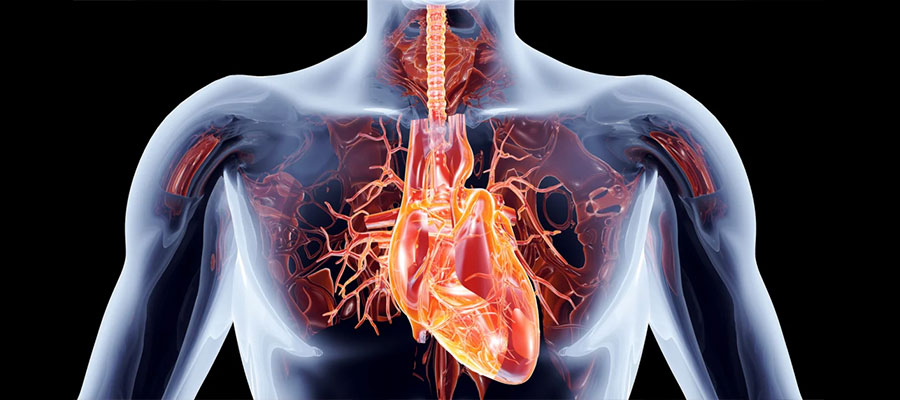
Estimated reading time: 7 minutes 17 seconds
What is atrial septal defect (ASD)?
Atrial septal defect, known in medical literature as congenital heart defect or cardiac ASD, is a congenital disorder. ASD is a treatable condition, but if left untreated, it can lead to serious health problems. So, what exactly is an atrial septal defect?
The heart has four chambers. The chambers on the right and left sides of the heart are called the atria. These two atria are separated by a partition called the septum. However, in some cases, there is a hole in this septum. The presence of a hole between these two chambers causes oxygen-rich blood from the left atrium to mix with oxygen-poor blood in the right atrium. This mixture disrupts the normal flow of blood within the heart.
The size of ASDs can vary, and if the hole is small, it may go unnoticed for years. However, larger ASDs can lead to more pronounced symptoms and complications over time if left untreated. Therefore, it is crucial to seek medical attention immediately if symptoms appear. Proper diagnosis and treatment can save lives.
What causes atrial septal defect (ASD)?
The exact cause of ASD is not known. It is believed that genetic and environmental factors play a role in its development. ASD is a congenital condition that arises from abnormalities in the development of the heart during early pregnancy. Although the exact cause of these abnormalities is unknown, scientists have some theories. These possible factors include genetic influences, chromosomal abnormalities (such as Down syndrome), environmental factors such as the mother’s use of tobacco and/or alcohol during pregnancy, and uncontrolled diabetes.
ASD usually does not cause any symptoms in its early stages. The absence of symptoms can delay the diagnosis of the condition. Echocardiography is used to diagnose ASD. We will discuss treatment options in more detail in the following sections.
How does atrial septal defect (ASD) affect the heart?
ASD is simply a hole between the right and left chambers of the heart. The size of this hole can affect the impact of ASD on the heart. This is because oxygenated and deoxygenated blood mix through the hole between the two chambers. In cases where the hole is small, this may not cause a serious problem. In fact, the hole may close on its own. However, in larger defects, significant amounts of oxygen-rich blood can pass from the left atrium to the right atrium. This leads to an increase in the volume of blood flowing to the lungs and an excessive load on the right side of the heart. Over time, this can lead to complications such as right heart enlargement, pulmonary hypertension, abnormal heart rhythms, and even heart failure if left untreated.
What are the symptoms of an atrial septal defect?
The hole between the two chambers may close on its own while the baby is in the womb or shortly after birth. In people with small ASDs, no symptoms may be seen for years. If the hole does not close, the increased blood flow from the heart to the lungs can strain and damage the blood vessels in the lungs.
When symptoms do appear, they may vary depending on the size of the defect. However, common symptoms include the following:
- Shortness of breath during physical activity
- Fatigue
- Heart palpitations or irregular heartbeat
- Frequent respiratory infections in children
- Swelling in the legs, feet, or abdomen (in severe cases)
- Stroke (in rare cases, due to blood clots bypassing the lungs and reaching the brain)
These symptoms may develop slowly over time, so regular check-ups are important, especially for individuals with a known heart murmur or a family history of congenital heart defects.
How is an atrial septal defect (ASD) diagnosed?
ASDs can exist for years without the person noticing or experiencing any symptoms. Therefore, early diagnosis is not always easy. The presence of an ASD is usually suspected when a doctor hears an unusual heart sound during a routine checkup.
The doctor may perform some tests to confirm the suspicion. These tests can be listed as follows:
- Echocardiogram (Echo): This is the most common and reliable test used to create images of the heart using sound waves and show the size and location of the defect.
- Electrocardiogram (ECG): This measures the heart’s electrical activity and can detect irregular rhythms caused by ASD.
- Chest X-ray: This can reveal heart enlargement or increased blood flow in the lungs.
- Cardiac MRI or CT scan: Sometimes used to obtain more detailed images.
- Cardiac catheterization: A more invasive test that is rarely used for diagnosis in more complex cases today.
Early diagnosis of ASD allows for more timely and effective treatment, especially before complications arise.
Does an atrial septal defect heal on its own?
The spontaneous healing of an atrial septal defect may vary depending on the size of the hole and the person’s age. We mentioned earlier that these holes can close in the womb or after birth. Similarly, secundum ASDs, which are the most common type of small ASDs, usually close on their own during infancy or early childhood. However, spontaneous healing is rare in cases of medium or larger ASDs. Such atrial septal defects require medical treatment or surgical intervention to be controlled and treated. In such cases, the patient needs to be regularly monitored by a cardiologist to prevent complications that may arise in the long term.
What is the treatment for an atrial septal defect (ASD)?
ASD treatment is planned based on the size of the hole in the septum, the presence of symptoms, and whether the heart is strained. Treatment may include regular monitoring, medication, surgical intervention, or catheter closure.
The approaches used in the treatment of atrial septal defect can be listed as follows:
- Monitoring: Regular follow-up may be sufficient for small ASDs without symptoms.
- Medication: Medications cannot close the defect, but they can help manage symptoms or reduce the risk of complications such as arrhythmia or heart failure.
- Catheter closure: Many secundum ASDs can be closed with a minimally invasive procedure. A device is inserted into the heart via a catheter and closes the hole. This option has a relatively short recovery time.
- Surgical repair: For larger or more complex ASDs, open-heart surgery may be needed to sew or patch the opening. This method is highly effective and generally safe, especially when performed during childhood or early adulthood.
Most people can lead normal, healthy lives after treatment. However, these individuals need to be monitored by a cardiologist throughout their lives.