

 TR
TR FR
FR ES
ES RU
RU RO
RO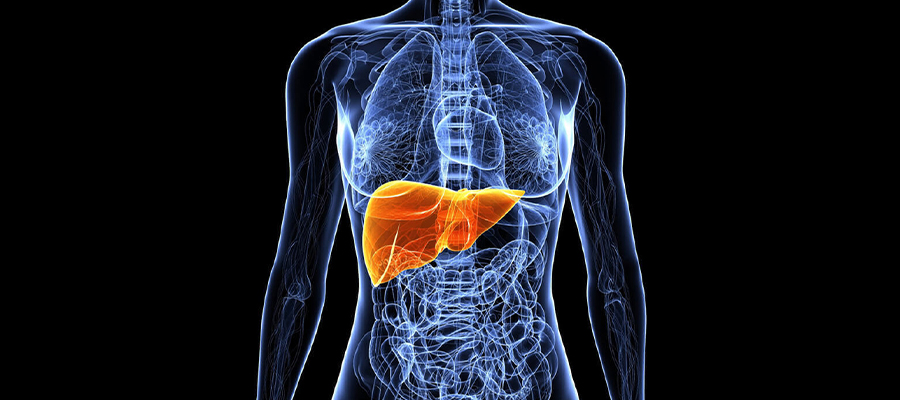
Estimated reading time: 8 minutes 4 seconds
What You Need to Know About Liver Cirrhosis
The liver is an organ that plays highly important roles in our body, such as eliminating toxic substances, producing red blood cells, synthesizing proteins, and producing hormones. Since it is involved in processes ranging from detoxifying the blood to supporting digestion, any deterioration in liver health can negatively affect all of these vital functions.
Cirrhosis occurs when healthy liver tissue is gradually replaced by scar tissue, reducing the organ’s ability to function properly. This disease develops insidiously, and the effects of the damage it causes to the liver can spread across a wide range.
In this article, we will cover some of the most frequently asked questions about cirrhosis: What is cirrhosis, why does it develop, who is most at risk, and how is cirrhosis diagnosed and treated? If you are curious about the answers to these questions, this article may help you find them.
What is Liver Cirrhosis?
Liver cirrhosis is a long-term disease that develops as healthy liver tissue is slowly replaced by damaged scar tissue. This scarring occurs due to repeated damage or inflammation of the liver over time. The liver plays crucial roles such as filtering toxins, producing proteins, and aiding digestion. Therefore, the accumulation of scar tissue makes it increasingly difficult for the liver to carry out these tasks effectively.
To better understand the impact of cirrhosis on the liver, imagine the liver as a soft, flexible, and efficient sponge. Its soft and elastic structure is essential for proper function. As cirrhosis develops, some parts of this sponge gradually become hardened and rough. This structural deterioration causes the liver to work far less efficiently.
Cirrhosis may progress silently in its early stages. However, as scar tissue accumulates and the disease advances, the liver begins to struggle to meet the body’s needs. At this point, the effects of the disease become more noticeable because the liver can no longer perform its functions properly.
What Causes Cirrhosis in the Liver?
Cirrhosis does not appear suddenly. It is usually the result of liver damage that develops slowly over many years. The most well-known cause of cirrhosis is prolonged and excessive alcohol consumption. While alcohol is a leading cause, it is not the only one. Chronic hepatitis B and C infections, non-alcoholic fatty liver disease (NAFLD) often linked to obesity or diabetes, and certain genetic conditions can also lead to cirrhosis.
Other factors that may cause cirrhosis include long-term use of certain medications, frequent exposure to toxins, or untreated autoimmune diseases affecting the liver. What these causes have in common is that the liver is constantly irritated or injured, and as a result, it heals with scar tissue. Over time, these scars accumulate and cirrhosis develops.
Who is at Risk for Liver Cirrhosis?
Cirrhosis does not pose the same level of risk for everyone. Some individuals are more vulnerable to the disease due to their lifestyle, chronic conditions, underlying health problems, or genetic inheritance.
Groups at higher risk for cirrhosis include:
- People who consume excessive amounts of alcohol for many years, as alcohol directly damages liver cells over time.
- Individuals with chronic viral hepatitis (especially hepatitis B or C), as these viruses cause persistent inflammation.
- Those with obesity, diabetes, or high cholesterol are at risk of fatty liver disease.
- People with a family history of liver disorders or inherited metabolic conditions.
Being in one of these risk groups does not mean cirrhosis is inevitable. However, these individuals should be especially careful about their liver health and undergo regular check-ups.
What Are the Symptoms of Cirrhosis?
Cirrhosis is often called a “silent” disease because it typically shows no obvious symptoms in its early stages. As the disease progresses and the liver’s functions decline, noticeable changes begin to appear.
Common symptoms of cirrhosis include fatigue, easy bruising, swelling in the legs or abdomen, and yellowing of the skin or eyes (jaundice). Patients may also experience itchy skin, loss of appetite, or confusion due to a buildup of toxins in the blood. In more advanced cases, complications such as internal bleeding or infections may occur.
It is important to note that many of these symptoms overlap with those of other health conditions. Therefore, suspicion of cirrhosis usually arises when multiple symptoms appear together rather than individually.
How is Cirrhosis Diagnosed?
Doctors usually confirm cirrhosis by combining medical history, physical examination, and diagnostic tests. During the consultation, the doctor first gathers information about alcohol use, past infections, or other risk factors. After reviewing the patient’s history, a physical exam is performed to check for swelling, tenderness, or organ enlargement.
Blood tests are commonly used to evaluate liver function. Imaging scans such as ultrasound, CT, or MRI can reveal changes in the shape and texture of the liver. In some cases, a biopsy—where a small sample of tissue is examined under a microscope—provides the most definitive diagnosis.
By using one or more of these methods, doctors can determine the extent of liver damage. Once the diagnosis is confirmed and the best treatment plan is evaluated, the treatment process begins.
What Are the Stages of Cirrhosis?
As mentioned earlier, cirrhosis develops slowly over time. Depending on the severity of the damage, the liver progresses through certain stages, which can be categorized into three:
- Compensated cirrhosis: Scar tissue has formed, but since the damage is not extensive, the liver is still functioning fairly well. Many people in this stage show no symptoms, and the condition may be discovered incidentally during routine tests.
- Decompensated cirrhosis: At this stage, the liver can no longer meet the body’s needs. Symptoms such as jaundice, fluid buildup, bleeding, or confusion become more pronounced.
- Advanced complications: If cirrhosis progresses without treatment, it may lead to life-threatening liver failure or liver cancer.
Understanding these stages helps patients and doctors monitor disease progression and begin treatment before the condition worsens.
How is Cirrhosis Treated?
Although there is no way to completely reverse existing scar tissue, treatment for cirrhosis can help slow the progression of scarring, relieve symptoms, and prevent complications.
Treatment approaches may include:
- Using antiviral medications for hepatitis, reducing alcohol consumption, and managing weight through lifestyle changes.
- Medications to control symptoms such as fluid retention, itching, or confusion caused by toxin buildup.
- Regular monitoring and imaging to detect complications like bleeding or liver cancer.
- In advanced stages, when the liver can no longer function, considering the option of a liver transplant.
Early diagnosis of cirrhosis is extremely important. With timely detection and appropriate treatment, many people with cirrhosis can experience improved quality of life and live for many years.