

 TR
TR FR
FR ES
ES RU
RU RO
RO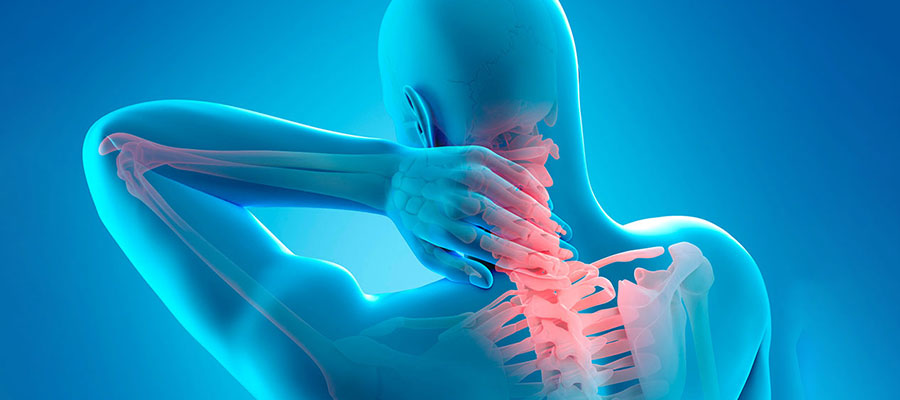
Estimated reading time: 11 minutes 44 seconds
What You Need to Know About Cervical Hernia
Neck pain has become one of the most common complaints today due to desk work, prolonged phone use, and posture disorders. However, in some cases, the underlying cause of this pain may be more serious problems affecting the cervical vertebrae.
Especially symptoms of a cervical hernia such as neck pain, numbness radiating to the arm, restricted movement, and muscle weakness can significantly affect our daily comfort. Recognizing these complaints early and taking action for treatment is particularly important both for controlling pain and preventing progressive nerve compression.
In this article, we focus on cervical hernia and discuss frequently asked topics ranging from its causes and symptoms to treatment options and the surgical process.
What is a cervical hernia?
A cervical hernia is a spinal condition that occurs when the structure of the discs between the cervical vertebrae deteriorates and the soft inner tissue protrudes outward, putting pressure on the nerves.
The discs between the vertebrae in our neck support the spine and absorb shock during movement. However, as we will discuss later in this article, these discs may weaken due to various reasons. When the outer part of the disc is damaged, the inner portion may protrude and compress nearby nerves.
For the reasons listed above, expert evaluation is important, especially in cases of long-lasting neck pain, numbness radiating to the arm, or loss of strength. Early assessment can help control pain and prevent progressive nerve damage by allowing appropriate treatment planning.
What causes a cervical hernia?
It is not possible to attribute the development of a cervical hernia to a single cause. Daily lifestyle habits, work patterns, and age-related changes can all play a role in this process. The most common causes that may lead to cervical hernia include:
- Age-related disc wear: As age advances, discs may lose flexibility and become more susceptible to damage.
- Long hours of desk work: Sitting for long periods, especially with poor posture, can place stress on the neck area.
- Phone and computer use: Constantly keeping the neck bent forward may increase pressure on the vertebrae.
- Heavy lifting: Movements that strain the neck and back muscles can affect disc structure.
- Sudden movements and trauma: Traffic accidents, falls, or awkward movements may cause damage to the neck area.
- Sedentary lifestyle: Weakening of neck muscles can negatively affect the spine’s support system.
In some individuals, genetic predisposition may also contribute to the development of cervical hernia. It may occur more frequently in people with a family history of spinal problems.
It is also important to remember that neck pain does not always indicate a hernia. Muscle spasms, posture disorders, or other spinal issues may also cause similar complaints. If such symptoms persist, radiate to the arm, or are accompanied by numbness, it is important to seek expert evaluation.
What are the symptoms of cervical hernia?
Symptoms of cervical hernia generally occur due to pressure on nerves in the neck region. The severity of complaints may vary depending on the location of the hernia and the degree of nerve compression.
In some individuals, symptoms may be mild, while in others they may interfere significantly with daily life. Common symptoms include:
- Neck pain
- A feeling of stiffness when moving the neck
- Pain radiating to the shoulder area
- Numbness or tingling in the arms
- Increased discomfort after staying in the same position for a long time
- Restricted neck movement
Especially in people who work at desks for extended periods, pain may increase during the day and turning the neck may become difficult. Some people may wake up with neck stiffness, while others notice symptoms becoming more pronounced toward the end of the day.
How can advanced cervical hernia symptoms be recognized?
Advanced cervical hernia symptoms may become more noticeable as pressure on the nerves increases. While early stages may involve only neck pain or mild numbness, more serious complaints affecting nerve and muscle function may develop over time. Therefore, worsening symptoms should be evaluated carefully.
Symptoms of advanced cervical hernia may include:
- Noticeable weakness in the arms
- Difficulty holding objects
- Increased numbness in the fingers
- Significant limitation in arm and shoulder movements
- Persistent pain
- Neck and arm pain that does not improve with rest
- A feeling of muscle weakness
Some individuals may also experience difficulty with fine motor movements due to nerve compression. Problems with writing, buttoning clothes, or holding small objects may be warning signs.
In rare cases, increased pressure on the spinal cord may lead to more serious symptoms such as balance problems or difficulty walking. Therefore, progressing numbness, weakness, or movement limitations should prompt immediate consultation with a physician.
What are the symptoms of a ruptured cervical disc?
The term “ruptured cervical disc” is used to describe more severe damage to the disc structure, where disc material exerts significant pressure on nerve tissue. Symptoms in this situation often appear more suddenly and intensely.
Symptoms may include:
- Severe neck pain
- Pain strongly radiating to the shoulder and arm
- Significant numbness and tingling in the arms
- Serious reduction in muscle strength
- Difficulty raising the arm
- Weakness in hand and finger movements
- Marked restriction in neck movement
In some people, pain may spread beyond the neck to the back, shoulders, or fingers. As nerve compression increases, daily activities may become difficult and symptoms may not improve with rest. Sudden weakness, advanced numbness, or severe pain require urgent medical evaluation.
Are cervical hernia and neck arthritis symptoms the same?
Cervical hernia and neck arthritis can sometimes be confused because they may cause similar complaints. Comparing the symptoms of cervical hernia and arthritis, both conditions may involve neck pain, limited movement, and discomfort radiating to the shoulder area. However, their causes and some symptom characteristics differ.
In cervical hernia, pressure from the disc on nerves is usually the main issue, while arthritis involves more noticeable wear in the joints. Therefore, symptom distribution and sensation may differ.
Some individuals may experience both cervical hernia and arthritis simultaneously. Since spinal wear increases with age, similar complaints may arise. Therefore, making a definite distinction based on symptoms alone is not always possible.
Because symptoms can overlap, imaging results should be evaluated by a specialist to determine the exact source of the problem.
What helps with cervical hernia? Do exercises work?
Methods used to manage cervical hernia vary depending on symptom severity and the level of nerve compression. In many mild and moderate cases, lifestyle modifications, neck-supporting practices, and appropriate exercises may help.
Some general measures that may provide relief include:
- Avoid keeping the neck in the same position for long periods
- Correct posture during computer and phone use
- Use a supportive pillow
- Avoid carrying heavy loads
- Exercise regularly and in a controlled manner
- Avoid sudden movements that strain neck muscles
Exercises for cervical hernia may help support neck and back muscles. Appropriate exercises can strengthen muscles, support the spine, and preserve mobility.
Recommended exercises may include:
- Gentle stretching movements
- Posture correction exercises
- Controlled strengthening exercises for neck muscles
- Shoulder and upper back support exercises
However, during severe pain periods, improper exercises may worsen symptoms. If pain radiates to the arm or is accompanied by numbness or weakness, an exercise program should be determined under professional supervision.
What are the treatment options for cervical hernia?
Treatment planning depends on the severity of the hernia, symptoms experienced, and the degree of nerve compression. Not every cervical hernia requires surgery.
The main goals are to reduce pain, relieve pressure on nerves, and improve quality of life. Treatment options include:
- Medication: Drugs to help reduce pain and muscle spasms may be used.
- Physical therapy: Methods aimed at strengthening muscles and supporting neck movement may be applied.
- Exercise programs: Appropriate exercises may support the neck region.
- Posture and lifestyle adjustments: Daily habit changes may reduce strain on the neck.
- Rest and activity control: Limiting movements that strain the neck may be necessary.
In some cases, surgery may be considered if nerve compression is severe, weakness develops, or pain cannot be controlled.
During surgery, the disc tissue compressing the nerve is removed, and if necessary, a prosthesis may be placed between the vertebrae.
Frequently Asked Questions
Which department treats cervical hernia?
People with suspected cervical hernia may consult the neurosurgery department. Evaluations of cervical vertebrae, nerves, and the spinal cord are performed in this specialty. In some cases, physical medicine and rehabilitation may also be involved.
MRI and other imaging methods may be used to determine the hernia level, nerve compression severity, and appropriate treatment approach.
Where does cervical hernia pain radiate?
Pain from cervical hernia is not always limited to the neck. Depending on nerve compression, pain may radiate to the shoulders, arms, and sometimes hands.
Common areas affected include:
- Neck and back of the neck
- Shoulders
- Around the shoulder blade
- Upper arm
- Forearm
- Hands and fingers
Some people describe the pain as burning, aching, or like an electric shock sensation.
Can cervical hernia occur at a young age?
Cervical hernia is not only seen in older adults. Today, prolonged desk work and increased computer and phone use have increased its occurrence in younger individuals.
Early precautions such as improving posture habits, exercising regularly, and avoiding neck-straining movements can help prevent progression.
Can cervical hernia cause headaches?
Cervical hernia can cause headaches in some people. Pain resulting from tension in neck muscles may radiate toward the back of the head.
However, not every headache is caused by cervical hernia. Migraines, blood pressure issues, stress, muscle tension, and other neurological conditions may cause similar complaints.
If headaches are frequent, long-lasting, or interfere with daily life, medical consultation is recommended.
For more detailed information about headaches, you can also check out our article: What helps with headaches?