

 TR
TR FR
FR ES
ES RU
RU RO
RO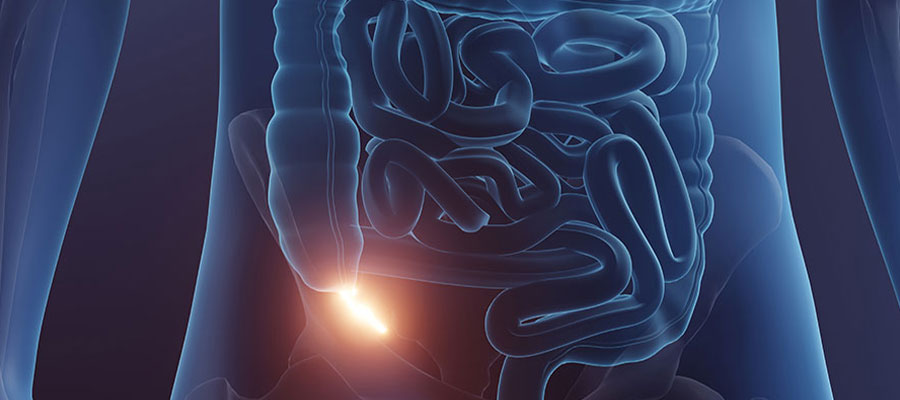
Estimated reading time: 8 minutes 22 seconds
What is appendicitis? Causes and things to consider
Although abdominal pain is a common complaint in daily life, in some cases, the underlying cause may be more serious. At this point, one of the most frequently asked questions is what appendicitis is, since abdominal pain is the most significant symptom of this condition.
Appendicitis may present with a sudden onset and a condition that can worsen over time. Symptoms of appendicitis, such as pain in the lower right abdomen, nausea, and loss of appetite, can be important warning signs that should be taken seriously.
In this article, we cover the most frequently asked topics, starting from what appendicitis is to its causes, symptoms, who it is more common in, and the treatment process.
What is appendicitis?
Appendicitis is the inflammation of a small organ called the appendix, which is attached to the beginning of the large intestine. Although this structure is normally thin and tube-shaped, it can swell and cause pain when it becomes blocked or infected. Appendicitis usually presents with sudden abdominal pain. As the inflammation progresses, the pain may intensify and other symptoms may appear.
If left untreated, there is a risk of the appendix rupturing. This can lead to the spread of infection within the abdomen and requires urgent intervention. Therefore, appendicitis is an important health condition that requires timely diagnosis and treatment.
What causes appendicitis?
Appendicitis occurs as a result of blockage inside the appendix followed by inflammation. This blockage leads to bacterial growth and swelling of the tissue. As pressure increases, blood flow may be impaired and the inflammation can worsen. The main causes that may lead to appendicitis are as follows:
- Accumulation of stool: One of the most common causes that block the opening of the appendix.
- Infections: Intestinal or upper respiratory infections may cause swelling of lymph tissue and lead to blockage.
- Enlargement of lymph tissue: Especially common in children and young individuals.
- Foreign bodies: Rarely, small swallowed objects may cause blockage.
- Parasites: Some intestinal parasites may affect the appendix.
After this blockage, bacteria multiply rapidly inside the appendix and inflammation develops. As mentioned earlier, if left untreated, there is a risk of rupture. When abdominal pain and other symptoms are observed, early evaluation is important to prevent complications.
Where is the appendix located?
Appendicitis is not actually an organ but the inflammation of the appendix, which is attached to the beginning of the large intestine. The appendix is anatomically located in the lower right part of the abdomen. Therefore, pain related to appendicitis is usually felt in this area. However, the pain initially appears around the navel and shifts to the lower right abdomen within a few hours.
In rare cases, the appendix’s position may vary from person to person. In such situations, pain may also be felt in areas outside the lower right abdomen, such as the groin or near the back. Persistent and increasing pain in the lower right abdomen is an important finding that should be evaluated by specialists for appendicitis.
Where is appendicitis pain felt?
Appendicitis pain is usually felt in the lower right part of the abdomen. However, the onset of pain is often in a different location. As mentioned earlier, it typically starts around the navel and moves toward the lower right abdomen within a few hours. The typical characteristics of the pain can be listed as follows:
- A widespread pain around the navel at first
- Over time, a distinct and sharp pain in the lower right abdomen
- Increased severity with movement, coughing, or walking
- Tenderness when touched
What are the symptoms of appendicitis?
Symptoms of appendicitis appear with sudden onset and progressively worsening abdominal pain. Although sudden and severe abdominal pain is the most common symptom, other signs may also be observed. The most common ones are listed below:
- Pain in the lower right abdomen
- Loss of appetite
- Nausea and vomiting
- Mild fever
- Constipation or diarrhea
- Bloating and tenderness in the abdomen
As the inflammation progresses, the pain becomes more pronounced and the person may have difficulty walking or making sudden movements.
What are the symptoms of appendicitis in children?
Although the symptoms of appendicitis in children are similar to those in adults, a more unclear and rapidly progressing condition may sometimes be observed. Therefore, it is important for parents to carefully monitor these symptoms in their children. The most common symptoms can be listed as follows:
- Abdominal pain
- Loss of appetite
- Nausea and vomiting
- Mild fever
- Reluctance to move
- Abdominal tenderness
Some children may not be able to clearly describe the location of pain or may respond only with restlessness and crying. As the inflammation progresses, symptoms become more evident. Since appendicitis can progress more rapidly in children, it is important to consult a specialist without delay, especially if pain in the lower right abdomen and vomiting occur together.
For more information on appendicitis treatment in children, you can also check out our article: Appendicitis Surgery for Children.
What happens if appendicitis ruptures?
If appendicitis is not treated, pressure inside the appendix increases and rupture may occur after a while. In this case, infected contents spread into the abdominal cavity and a more serious condition develops. The possible outcomes when appendicitis ruptures are as follows:
- Widespread infection develops in the abdomen
- Pain may be felt throughout the abdomen rather than in a single area
- High fever and general deterioration of condition may occur
- Nausea, vomiting, and weakness may be observed
This condition requires emergency intervention and usually a more extensive treatment process. Acting quickly and seeking medical attention in suspected cases of appendicitis is crucial to prevent such serious complications.
Of course, being aware of the possible symptoms is very important in order to recognize the condition. Therefore, having knowledge about the symptoms of appendicitis rupture can help manage the situation better. The symptoms to watch out for are as follows:
- Abdominal rigidity and tenderness to touch
- Severe weakness and general deterioration
- Increased nausea and vomiting
- Rapid pulse and difficulty breathing
Although in some individuals the pain may feel like it temporarily decreases, this can be misleading and the condition may worsen rapidly afterward.
How does appendicitis pain go away?
Appendicitis pain is not a type of pain that can be relieved with simple methods. This is because the underlying cause is inflammation. Therefore, the way to completely eliminate the pain is usually through medical intervention.
If appendicitis is suspected, it is important to be cautious about the following:
- Taking painkillers may mask symptoms and delay diagnosis
- Applying heat is not recommended as it may increase inflammation
- Food intake should be avoided and fluid intake limited before surgery
Definitive treatment is usually performed by surgically removing the appendix. In some early-detected cases, antibiotic treatment may be preferred, but this is not suitable for every patient. In short, appendicitis pain should not be managed at home. In case of severe and persistent abdominal pain, a specialist should be consulted without delay.
How long does appendicitis surgery take?
Although the duration of appendicitis surgery may vary depending on the condition of the disease, the state of the appendix, and the surgical method used, it is generally possible to say that the operation takes between 30 minutes and 1 hour.
The surgery can be performed in two different ways:
- Closed (laparoscopic) method: Several small incisions are made in the abdominal area. A camera and thin surgical instruments are inserted through these incisions. The appendix is removed under visual guidance. The recovery process is usually faster, and scars are smaller.
- Open surgery: A single incision is made in the lower right abdomen, and the appendix is removed directly. It may be preferred, especially in cases where the appendix has ruptured or there is widespread infection.
Since the surgery is performed under general anesthesia, the patient does not feel pain during the procedure. After the operation, the patient can stand up in a short time and most people can return to their daily life within a few days. However, since the surgical method and process may vary depending on the patient’s condition, it is important to consult a specialist for more detailed information.
Frequently Asked Questions
Does appendicitis cause gas?
Appendicitis may cause a feeling of gas and bloating in some cases. This is due to the effect of inflammation of the appendix on bowel movements. However, gas alone is not a definitive sign of appendicitis. Since gas is a very common complaint in daily life, the presence of other symptoms should also be evaluated.
If gas is accompanied by symptoms such as pain in the lower right abdomen, nausea, and loss of appetite, it is important to consult a specialist for evaluation in terms of appendicitis.
Does appendicitis cause nausea?
Appendicitis is often accompanied by nausea and vomiting. These symptoms usually appear shortly after the onset of abdominal pain. However, nausea alone does not mean appendicitis. It should be taken more seriously, especially if it is seen together with the following:
- Pain in the lower right abdomen
- Loss of appetite
- Mild fever
Who is more likely to get appendicitis?
Although appendicitis can occur at any age, it tends to be more common in certain groups. Especially young individuals are considered at higher risk. People in whom appendicitis is more frequently seen are as follows:
- Individuals between the ages of 10–30: The most common age group
- Men: Slightly more common compared to women
- Those with intestinal infections: Infections may predispose to blockage of the appendix
- People with low-fiber diets: The risk of constipation and stool accumulation may increase
However, this does not mean that appendicitis occurs only in specific individuals. Although it is more common in the groups listed above, it can also develop in children, adults, and even older individuals. When symptoms such as abdominal pain appear, evaluation is important regardless of age or risk factors.
Which doctor should be consulted for appendicitis?
In cases of suspected appendicitis, the general surgery department should be consulted first. Since appendicitis often requires surgical intervention, the diagnosis and treatment process is managed by this specialty. However, in cases of sudden symptoms such as severe abdominal pain, going directly to the emergency department is the most appropriate approach. After the initial evaluation in the emergency department, the patient may be referred to general surgery if necessary.