

 TR
TR FR
FR ES
ES RU
RU RO
RO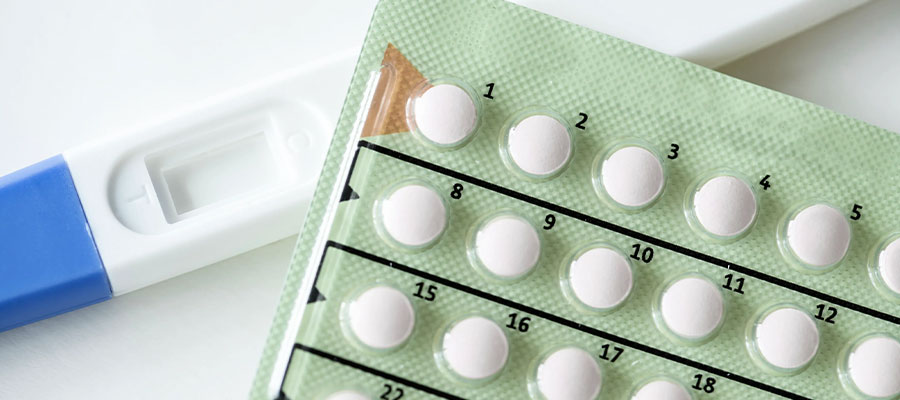
Estimated reading time: 7 minutes 38 seconds
What are birth control pills?
Birth control pills, which are 99% effective in preventing unwanted pregnancies when used regularly, contain synthetic forms of the hormones estrogen and progesterone. These synthetic hormones work by stopping ovulation, i.e., preventing the release of an egg from the ovary. Preventing ovulation greatly reduces the likelihood of fertilization. The pills also thicken the mucus in the cervix, making it harder for sperm to reach the egg, and thin the lining of the uterus. This prevents the fertilized egg from implanting in the uterus, which is necessary for pregnancy.
Birth control pills, which are primarily used to prevent pregnancy resulting from unprotected sexual intercourse, can also be used to treat menstrual irregularities, hormonal imbalances, menstrual cramps, and acne-related problems. However, it should be noted that these pills have certain side effects. Therefore, birth control pills should be used under the supervision of a doctor to ensure their proper use.
How are birth control pills used?
For birth control pills to work effectively, it is very important to take them at the same time every day (within a time period of approximately 3 hours each day). The pills keep hormone levels in the body stable. Therefore, it is very important to adhere to the medication schedule you initially set.
While not all birth control pills contain them, some birth control pills contain 21 active pills (containing hormones) and 7 placebo pills. The purpose of this is to give the body a regular break from hormone intake and trigger a monthly period-like bleeding.
Do birth control pills prevent pregnancy?
Certain conditions must be met for pregnancy to occur. When birth control pills are used correctly, i.e., at the same time every day, the likelihood of these conditions occurring and pregnancy resulting is reduced by 99%. Therefore, yes, birth control pills are highly effective in preventing pregnancy.
How do birth control pills prevent pregnancy? First, the pills stop ovulation. Without ovulation, there will be no egg for sperm to fertilize, and pregnancy will not occur. In addition, the pills make the inside of the uterus unsuitable for sperm and implantation, that is, the embryo embedding itself in the uterus. This significantly reduces the risk of an unwanted pregnancy.
To get the maximum benefit from birth control pills, it is crucial to take them regularly. If pills are occasionally missed or taken at irregular times, the effectiveness of birth control pills drops to around 91%.
Are birth control pills used for acne?
Acne and pimples can occur when androgen levels are high in the body. Androgen, known as the male hormone and found in both sexes, causes excessive oil production in the skin when present in high levels. This excess oil leads to clogged pores and acne formation.
Birth control pills are a commonly used method for treating acne and pimples. The effectiveness of this method is higher in birth control pills that contain estrogen and progestin, which lower androgen (male hormone) levels in the body. Among birth control pills, those with this effect can control worsening acne by balancing hormone levels and reducing the severity and frequency of new breakouts.
However, it is important to remember that not all birth control pills have this effect. Therefore, using them for acne and pimple treatment under medical supervision is more appropriate.
Do birth control pills cause weight gain?
Whether birth control pills cause weight gain is a frequently discussed topic. However, studies have not consistently proven a direct link between the use of these pills and long-term weight gain.
Some people may experience temporary fluid retention or mild bloating when they start taking the pill. However, this bloating or fluid retention typically subsides after a few cycles.
It is also important to remember that the hormonal changes caused by the pill may not manifest in the same way for everyone. Some people may experience these changes as changes in appetite or body composition, while others may continue their lives without noticing any significant differences.
However, if weight changes after using the pills become concerning, switching to a different pill or discussing alternative methods with a doctor about birth control options may be helpful.
What are the side effects of birth control pills?
Like any medication, birth control pills can cause side effects, especially during the first few months as the body adjusts to the new hormone levels. While some people use birth control pills without any problems, others may experience the following effects:
- Nausea: Although usually mild and temporary, nausea is a common side effect when starting birth control pills.
- Headaches or mood changes: Hormonal changes can sometimes affect mood or trigger headaches, especially in people with a history of migraines.
- Breast tenderness: Some people, especially during the first few cycles, may notice that their breasts feel fuller or more tender.
- Spotting: If the pills are not taken regularly or during the adjustment period, spotting may occur between menstrual periods.
- Libido changes: Some people may experience a decrease in sexual desire, while others may not notice any changes or may experience an increase.
Most of the side effects listed above subside within a few months. However, if side effects persist or become severe enough to significantly impact daily life, it is important to consult a healthcare professional about other birth control options.
What happens if you forget to take the birth control pill?
As mentioned earlier, the effectiveness of birth control pills is highly dependent on regular use. Therefore, missing a pill will affect the pill’s ability to prevent pregnancy.
What to do if you forget to take a birth control pill can vary depending on how many pills you have missed, the type of pill you are taking, and at what stage of the cycle you missed the pills.
If you missed only one pill:
- Take the pill as soon as you remember.
- Continue taking the remaining pills in the pack as usual.
The steps to take may vary depending on the type of pill. Therefore, always check the instructions on the pill package or consult a healthcare professional if you are unsure of what to do.
Can birth control pills be used for a long time?
Yes, birth control pills can be used safely for many years as long as the person is healthy and there are no contraindications. Additionally, long-term use of birth control pills has been associated with several health benefits, including a reduced risk of ovarian and uterine cancer, reduced menstrual cramps, and more predictable menstrual periods. However, certain health conditions, such as high blood pressure, smoking after age 35, or a history of certain blood clotting disorders, may require a reassessment of hormonal contraceptive use.