

 TR
TR FR
FR ES
ES RU
RU RO
RO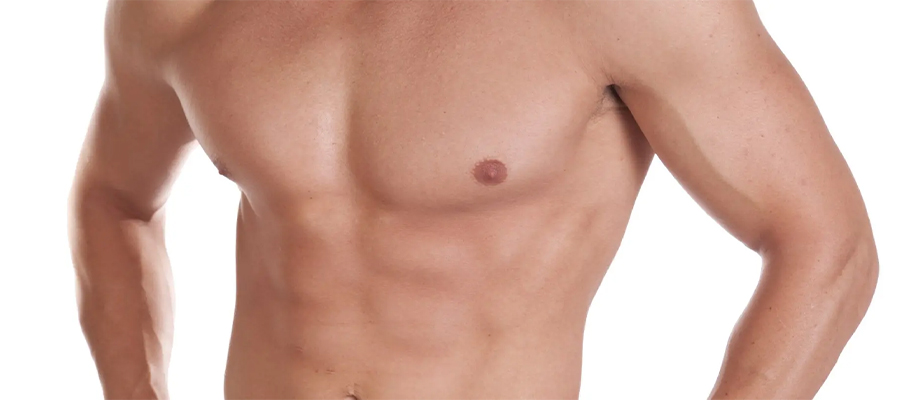
Estimated reading time: 11 minutes 47 seconds
What is gynecomastia in men and what does it mean clinically?
Gynecomastia is a condition that occurs when the glandular tissue, in other words the breast gland tissue, in the male breast area grows more than normal. This enlargement may be seen in one breast or in both breasts. Sometimes it may be symmetrical, while in some cases one side may be more prominent. Although gynecomastia can generally be described in this way, male breast enlargement may have different meanings under certain conditions. Some people have true gynecomastia, while in others the appearance in the breast area may be related to an increase in fat tissue. This condition is considered “pseudo-gynecomastia.”
Male breast enlargement should not be seen only as an aesthetic concern. In some patients, tenderness in the chest area, a feeling of fullness, difficulty choosing clothes, discomfort during exercise or loss of self-confidence in social settings may occur. A physician should definitely be consulted in cases that begin suddenly, become clearly noticeable on one side, or are accompanied by hardness, pain, nipple discharge or rapid growth.
What causes gynecomastia? (Hormonal and environmental factors)
So, what causes gynecomastia? This condition usually occurs when the balance between estrogen and testosterone hormones changes in men. A small amount of estrogen hormone is naturally present in the male body. However, when the effect of estrogen increases or the effect of testosterone decreases, the breast gland tissue may grow.
This condition does not necessarily have a single cause. Age, weight changes, medications, hormonal diseases, certain chronic conditions and lifestyle factors should be evaluated together.
Let’s take a closer look at these factors below.
Puberty, hormonal changes and age-related factors
Gynecomastia is most commonly seen during periods when hormones naturally change. In newborns, temporary breast enlargement may occur due to the effect of hormones passed from the mother. During puberty, tenderness and enlargement in breast tissue may be seen due to fluctuations in the balance between testosterone and estrogen. In some young people, this condition may regress spontaneously over time.
Weight gain, regional fat accumulation and the difference between pseudo-gynecomastia
Not every breast enlargement seen in men is true gynecomastia. With weight gain, fat tissue may accumulate in the chest area, just as it can in different parts of the body. In this case, the increase in fat tissue is more prominent than breast gland tissue, and this picture is called pseudo-gynecomastia.
In some patients, both breast gland tissue and fat tissue may increase together. This distinction is important for treatment planning. While losing weight alone may improve the appearance in some people, exercise or diet alone may not be sufficient in patients with true breast tissue enlargement. Therefore, during the examination, the structure of the tissue, skin elasticity and fat ratio should be evaluated together.
Medications, some chronic diseases and lifestyle factors
In some men, gynecomastia may also develop as a side effect of certain medications. Medications used for prostate diseases, heart diseases, stomach problems, some psychiatric conditions or hormone treatments may lead to enlargement of breast tissue. For this reason, the medications used regularly by the patient must be questioned during the evaluation of gynecomastia. The person should not stop taking medication on their own; if necessary, alternatives should be evaluated by the relevant physician.
In addition, some diseases related to the liver, kidneys, thyroid or testicles may also affect hormonal balance and cause gynecomastia. Anabolic steroid use, uncontrolled supplements, alcohol use and some substances may also be among the risk factors.
Am I showing symptoms of gynecomastia?
The most obvious symptom of gynecomastia is that the male breast area appears fuller, swollen or more protruding than normal. This enlargement may be seen in one breast or in both breasts. While some people may feel soft or rubbery tissue around the nipple, others may experience tenderness, pain or discomfort when clothing touches the chest area. However, not every breast enlargement means true gynecomastia.
Enlargement, tenderness and asymmetry problems in the breast area
Gynecomastia is usually noticed as a fullness that becomes prominent around the nipple and its surrounding area. The person may feel swelling in the chest area, tenderness to touch, mild pain or sensitivity in the nipple. During puberty, this tenderness may be more noticeable and may decrease over time in some cases.
Aesthetic concerns that affect social life and self-confidence
Gynecomastia may not be limited to physical symptoms only. Some patients may feel uncomfortable when the chest area becomes noticeable while wearing T-shirts, shirts or sports clothes. Behaviors such as avoiding taking off the upper body clothing in social areas such as the sea, pool or gym, trying to hide posture or preferring loose clothing may be seen.
If there is discharge from the nipple, a hard and immobile mass is felt in the breast, there is skin pulling or dimpling, sudden enlargement, significant pain or rapid one-sided change, a physician should be consulted without delay.
Which department and doctor should I visit for gynecomastia treatment?
People who suspect gynecomastia may apply to general surgery, plastic reconstructive and aesthetic surgery or endocrinology departments for the initial evaluation. Which department is appropriate may vary depending on the duration of breast enlargement, the patient’s age, whether there is accompanying pain or tenderness, medications used, weight status and suspicion of a hormonal cause. Since male breast enlargement does not always arise from the same cause, referral to the correct branch becomes clear after the examination.
In addition to the points listed above, there are a few more issues that should be considered. If breast enlargement has appeared during puberty, has been present for a short time or if causes such as hormonal imbalance, thyroid disease, testicular disease or medication use are suspected, an endocrinology evaluation may be required. If the endocrinologist deems it necessary, hormone tests and additional examinations may be requested to investigate underlying medical causes.
If breast enlargement has been present for a long time, if the person is clearly disturbed by the appearance, or if excess breast tissue or fat tissue has become permanent, the plastic reconstructive and aesthetic surgery department may evaluate treatment options.
How are gynecomastia diagnosis and clinical diagnostic methods performed?
The diagnosis of gynecomastia usually begins with listening to the patient’s complaints, taking their medical history and performing a physical examination. During the examination, the structure of the tissue around the nipple, whether the enlargement is one-sided or bilateral, tenderness, pain, skin changes, a feeling of mass and increase in fat tissue are evaluated together. The aim is not only to see breast enlargement but also to distinguish whether it is true gynecomastia, pseudo-gynecomastia due to fat accumulation or another breast disease.
In the initial evaluation, the patient’s age, when the breast enlargement started, whether the enlargement progressed rapidly, weight changes, exercise or supplement use, regular medications, alcohol use and previous diseases are questioned. While some breast enlargements seen during puberty may regress over time, more detailed examination may be required in adult-onset or rapidly progressive enlargement.
In some patients, blood tests may be requested to clarify the diagnosis or investigate the underlying cause. These tests may help evaluate areas such as hormone levels, liver, kidney or thyroid functions. When necessary, ultrasound, mammography or different imaging methods may be used.
The most accurate approach in the diagnosis of gynecomastia is to evaluate all findings together. Making a decision based only on external appearance can be misleading. Therefore, the diagnosis should be made individually as a result of an examination by a specialist physician and any tests deemed necessary.
How is gynecomastia surgery performed?
Not every breast enlargement seen in men necessarily requires surgery. In some patients, follow-up may be sufficient, while in others underlying hormonal problems, medications used or weight gain should be evaluated. In cases of persistent breast tissue enlargement, significant fat accumulation or aesthetic and functional discomfort, surgical treatment options may come to the agenda.
The aim of gynecomastia treatment is not only to reduce breast volume but also to create a more natural and balanced contour in the chest area. Therefore, which method is suitable should be determined by evaluating examination findings, skin structure, tissue type, patient expectations and general health status together.
For detailed information about gynecomastia surgery, you can review our article: Gynecomastia surgery
Warnings and recommendations from Aktif International Hospital plastic surgery doctors
Aktif International Hospital plastic surgery doctors emphasize that the treatment decision in patients with gynecomastia complaints should not be made only by looking at the appearance of the chest. Male breast enlargement may be associated with an increase in breast gland tissue, fat accumulation, skin laxity or hormonal causes.
One of the most important points in gynecomastia treatment is to determine the patient’s expectations realistically. The aim is not only to reduce the breast area but also to give the chest wall a more balanced, natural and masculine contour. Therefore, while liposuction alone may be sufficient in some patients, removal of breast gland tissue or a combined surgical approach may be required in others. In advanced cases with excess skin, skin tightening and the position of the nipple area should also be evaluated separately.
Another issue especially highlighted by doctors is the uncontrolled use of medications and supplements. Products presented on the internet with claims that they will dissolve gynecomastia or provide a “definitive non-surgical solution” should not be used without medical evaluation. Hormone-active products, anabolic steroids and unconscious sports supplements may increase gynecomastia and may also pose risks to general health.
Who is suitable for gynecomastia surgery? (right candidates)
Gynecomastia surgery may be considered for men whose enlargement in the breast area has been present for a long time, who are disturbed by the appearance, who are affected by this condition in their social life or clothing choices, and whose general health condition is suitable for surgery. However, not every breast enlargement seen in men requires surgery. First of all, it should be determined whether the enlargement is caused by true breast tissue, an increase in fat tissue or a different underlying medical cause.
Detailed information about this topic is included in our article: Gynecomastia surgery
Recovery after surgery and use of a compression garment
In the first days after gynecomastia surgery, swelling, bruising, tightness, tenderness or mild pain may be seen in the chest area. These findings are part of the expected healing process in most patients. However, a physician should be consulted in cases such as increasing pain, significant swelling, fever, discharge or sudden color change.
After surgery, a special gynecomastia compression garment is usually used to help the chest area adapt to its new shape. This garment helps keep swelling under control, supports the tissues and helps the skin adapt to the new contour.
Resting in the first days is important. However, remaining completely inactive is also not correct. Short and light walks as recommended by the physician may support circulation. Many patients who work at a desk can return to daily life within a short time, while this period may be longer for people who do heavy physical work. Driving, returning to work and participation in social life should be planned according to the patient’s pain level, medications used and the surgeon’s recommendations.
Postoperative results are not seen immediately. In the early period, the chest area may feel fuller or harder than expected due to swelling. Over the weeks, swelling decreases, tissues soften and the chest contour becomes more defined. The final appearance may take a few months to form, depending on the patient’s healing speed and the scope of the procedure performed.
Can gynecomastia recur after treatment?
Gynecomastia may recur in some people depending on its cause and the treatment applied. Especially if hormonal imbalance, weight gain, use of certain medications, anabolic steroids, uncontrolled supplements or underlying health problems that lead to breast enlargement continue, enlargement may be seen again in the chest area.
Breast gland tissue removed with surgical treatment does not return in the same way. However, growth in the remaining tissues, fat accumulation in the chest area or fullness due to weight gain may affect the appearance again over time. Therefore, weight control, regular follow-up and compliance with the physician’s recommendations after surgery are important for long-term results.
Does a gynecomastia undershirt treat breast enlargement?
A gynecomastia undershirt is a shaping undergarment used to make the prominence in the chest area less visible under clothing. By applying light pressure to the chest area, it may provide a flatter appearance and help the person feel more comfortable in T-shirts, shirts or sports clothes.
However, as can be understood from what has been written so far, a gynecomastia undershirt does not shrink breast tissue, does not reduce fat tissue and does not treat gynecomastia. These undershirts only help conceal the existing appearance. Therefore, they are not a permanent solution but a supportive product that temporarily improves the appearance.
Can male breast enlargement go away with sports and exercise?
Gynecomastia may not completely go away with sports. Because in true gynecomastia, the problem is not only fat accumulation but also the enlargement of breast gland tissue. Sports and regular exercise may help reduce body fat percentage, strengthen chest muscles and make the chest area appear firmer. However, if the enlargement is caused by breast gland tissue, exercise does not eliminate this tissue. Therefore, the idea that “if I exercise, gynecomastia will definitely go away” may not work for every patient.
If male breast enlargement is related to weight gain and fat accumulation in the chest area, this condition may be considered pseudo-gynecomastia. In pseudo-gynecomastia, fullness in the chest area may decrease with regular exercise, healthy nutrition and weight control. Especially cardio exercises, resistance training and overall weight loss may positively affect the appearance by improving body composition.
Are gynecomastia medications that claim to offer a non-surgical solution safe?
There is no standard “gynecomastia medication” that everyone can use for gynecomastia. In some early-stage cases or in selected patients with significant pain and tenderness, medication treatments may be considered. However, these medications must be evaluated under physician supervision. It is not appropriate for a person to use hormone medication, supplements or products recommended online on their own.
In some cases, gynecomastia may occur due to temporary hormonal changes related to puberty and may regress spontaneously over time. Therefore, medication does not need to be started immediately in every patient. Physician follow-up may be sufficient in cases that have been present for a short time, do not contain suspicious findings and do not seriously disturb the patient.
Products marketed with claims such as “gets rid of gynecomastia without medication,” “melts breast tissue” or “provides a definitive non-surgical solution” should be approached with caution. The correct approach in gynecomastia is first to determine whether the enlargement is caused by true breast gland tissue, fat accumulation or another medical cause. Products used without making this distinction may both fail to provide results and pose health risks.