

 TR
TR FR
FR ES
ES RU
RU RO
RO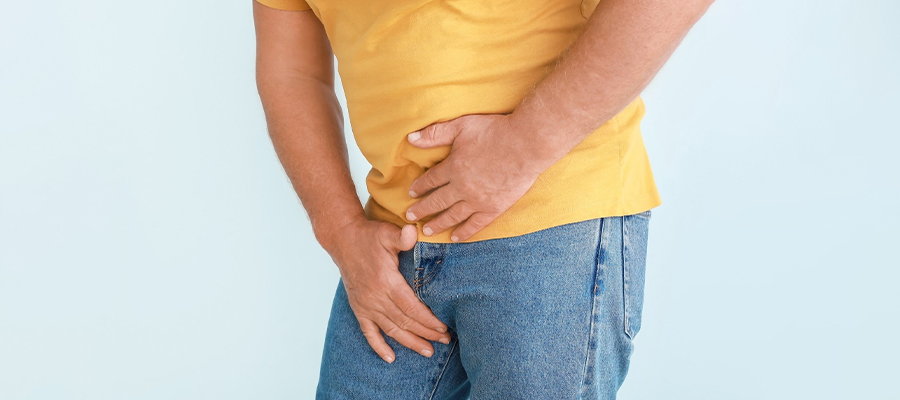
Estimated reading time: 12 minutes 23 seconds
What is groin pain?
Groin pain is a pain felt mainly in and around the groin. This pain occurs in the area where the abdomen ends and the legs begin, specifically where the inner thigh meets the lower part of the pelvis. This region contains various muscles, ligaments, tendons, nerves, and organs. Therefore, a pain occurring in this area may have many different causes.
So, what kind of pain is this? Groin pain can be sharp like a knife cut or dull. Sometimes it occurs as a constant pain, while other times it can be effective intermittently. The pain can spread to nearby areas such as the lower abdomen, inner thigh, or lower back. In order to treat pain that arises for various reasons, it is very important to understand the cause of the pain.
Causes of groin pain
Now that we have discussed what kind of pain groin pain is, let’s look at the causes of groin pain. Groin pain can occur for different reasons in women and men due to biological differences. We can list the causes of pain as follows.
Groin pain in men
Groin pain in men is usually related to musculoskeletal problems or reproductive system disorders. One of the most common causes is muscle strain, often resulting from physical activity or sports. Other possible causes include:
- Inguinal hernia: When an inguinal hernia causes pain, tissue protrudes through a weak spot in the abdominal wall, causing a noticeable swelling and discomfort.
- Testicular disorders: Infections such as epididymitis or testicular torsion can cause pain that radiates to the groin area in men.
- Kidney stones: Minerals and salts that cannot be excreted through the kidneys due to intense concentration form kidney stones. These kidney stones can cause pain in the back, waist, and groin area.
- Prostatitis: Inflammation of the prostate in men can cause deep and painful groin pain.
Groin pain in women
Groin pain in women may be related to musculoskeletal problems as well as reproductive or urinary system problems. The common causes are listed below:
- Ovarian cysts or ovulation pain: Groin pain may occur in women 14 days after the start of a new menstrual cycle, along with ovulation or due to cysts forming in the ovaries.
- Endometriosis: Commonly known as chocolate cyst disease, this condition affects approximately 10% of women and causes pelvic pain that spreads to the groin area.
- Urinary tract infections (UTIs): Infections of the bladder or urethra can cause groin discomfort.
- Round ligament pain (during pregnancy): As the uterus expands, it stretches the ligaments, which can cause sharp groin pain in women.
Can groin pain be a sign of a serious condition?
Groin pain is usually related to temporary conditions caused by minor injuries and strain. However, this pain can sometimes be a sign of a more serious problem. For example, testicular torsion (twisting of the spermatic cord) is a medical emergency that can cause sudden and severe groin pain in men. In women, ectopic pregnancy or a ruptured ovarian cyst can be the source of severe pain.
In addition to these conditions, infections, blood clots, or certain types of cancer may also present as early symptoms in the form of groin pain. Therefore, if groin pain is severe, sudden, persistent, or accompanied by other symptoms such as fever, swelling, or nausea, it is important to seek medical attention without delay.
Groin Pain Radiating to the Lower Back
What Causes Groin Pain Radiating to the Lower Back in Children?
Groin pain radiating to the lower back in children is usually caused by temporary factors. This is a common and generally normal condition in children due to their developmental stage.
However, in some cases, pain spreading from the groin to the lower back may be related to other issues. Therefore, it is important to observe the age, gender, and accompanying symptoms to determine whether the pain is growth-related or caused by a different issue. Below are some of the most common causes of groin pain radiating to the lower back.
- Growth-related musculoskeletal pain: During periods of rapid growth in children, pain can spread from the legs to the lower back and groin due to the development of muscles and bones.
- Muscle strain and spasm: Strain may occur in the groin and lower back muscles during or after running, jumping, and intense physical activities or sports.
- Undescended testicles or inguinal hernia in boys: This can cause swelling, pain, and discomfort in the groin area that may radiate to the lower back.
- Urinary tract infection: Especially in young children, pain spreading to the groin and lower back may be accompanied by restlessness and fever. In cases where groin and back pain occur together with a urinary tract infection, it may be necessary to go to a health care facility, especially if symptoms such as fever and frequent urination are also observed.
- Appendicitis: Pain that starts in the groin and radiates to the lower back may settle in the lower right part of the abdomen over time. It should be carefully evaluated along with abdominal tenderness.
What causes groin pain radiating to the lower back in young people?
In adolescents, pain spreading from the groin to the lower back is often associated with physical exertion or hormonal changes. However, the source of the pain is not always physical exertion or hormonal changes. In some cases, problems with the reproductive organs or underlying diseases may also contribute to the development of this pain.
- Sports injuries and disabilities: In sports such as soccer and basketball, which require intense physical effort, muscle tears, muscle strain, injuries, and disabilities can cause pain that spreads from the groin to the lower back.
- Muscle strain or hernia: Groin pain that radiates to the lower back may occur due to muscle strain or a hernia that occurs after heavy lifting or sudden movements.
- Reproductive organ-related problems: Pain in the groin and lower back may occur in women due to conditions such as ovarian cysts and endometriosis, or in men due to varicocele.
- Pain related to the menstrual cycle: Pain experienced during ovulation or before menstruation may radiate to the lower back.
- Urinary tract infections or kidney stones: Severe pain spreading from the groin to the lower back may be felt when there is an infection in the urinary tract or when a kidney stone passes from the ureter to the bladder.
What causes groin pain in the lower back in older adults?
In older adults, groin pain radiating to the lower back is usually associated with musculoskeletal issues, nerve compression, degenerative diseases, or internal organ problems. Underlying health issues can become more complex with age. Let’s take a closer look at the causes of groin pain radiating to the lower back in older adults.
- Hip joint problems (osteoarthritis, calcification, arthritis): Pain caused by degeneration of the hip joint in older adults often spreads to the groin and lower back.
- Femoral or inguinal hernia: Groin hernias can occur in older adults due to weakening of the abdominal wall. Pain from a groin hernia can radiate to the lower back.
- Nerve compression (e.g., sciatica): Issues in the lumbar spine can cause pain that affects the groin and lower back regions.
- Urinary tract diseases: Bladder problems and, in men, conditions such as prostatitis or prostate enlargement can cause groin pain that radiates to the lower back.
- Spinal problems: Pain can spread to the groin area in cases of herniated discs or spinal stenosis.
- Kidney stones or infections: The passage of kidney stones through the urethra to the bladder and their expulsion through the urinary tract, or infections in the urinary tract that spread to the kidneys, can cause groin and lower back pain in older people.
What causes groin pain in the lower back during pregnancy?
Pregnancy is a period of various hormonal changes, uterine growth, and weight gain in women. All these changes can cause pain in the groin area that spreads to the lower back. Although these pains during pregnancy are usually physiological, it is beneficial to consider some pathological causes as well.
- Uterine enlargement: During pregnancy, the expanding uterus may press on surrounding tissues, causing pain in the groin and lower back.
- Round ligament pain: The stretching of the ligaments that hold the uterus in place can cause pain that radiates from the groin to the lower back. This pain may be sharp or stabbing.
- Strain on the lumbar vertebrae and pelvic region: As the baby grows, the abdomen expands and posture changes, causing excessive strain on the lumbar region and pelvic bones. This can lead to pain that radiates from the groin to the lower back.
- Urinary tract infections: Urinary tract infections are common during pregnancy and can cause pain in the groin and lower back.
- Threatened miscarriage or premature birth: If groin and lower back pain occur together, especially towards the end of pregnancy, you should consult a healthcare professional without delay to rule out the possibility of premature birth or miscarriage.
When should you see a doctor for groin pain?
Groin pain can sometimes be temporary, caused by growth or simple strain. However, in some cases, this pain may need to be monitored. So, when and in what circumstances should you see a doctor? Below, we have listed the most important situations that may require you to see a doctor:
- Severe or sudden onset of groin pain
- Persistent groin pain that does not go away with rest
- Swelling, redness, or visible swelling
- Pain accompanied by fever, nausea, or vomiting
- Groin pain that spreads to other parts of the body, such as the back or legs
- Pain that makes it difficult to walk, urinate, or perform daily activities
Pain that does not go away within a few days or worsens, especially if the cause is unknown, should not be ignored.
How is groin pain treated?
The treatment of groin pain may vary depending on the cause of the problem. Groin pain caused by simple strain can usually be relieved with rest, cold compresses, or over-the-counter anti-inflammatory medications. However, groin pain can also be a symptom of a more complex underlying health problem. In such cases, the following treatment methods may be used.
- Groin pain caused by a hernia may require surgical intervention.
- Pain caused by infections such as urinary tract infections or epididymitis is treated with antibiotics.
- Orthopedic problems such as labral tears or arthritis may require physical therapy, injections, or surgical intervention.
- Pregnancy-related pain can usually be controlled with rest, warm compresses, and light stretching exercises.
Healthcare professionals may also request imaging tests to determine the source of the pain and guide treatment based on the diagnosis.
What helps with groin pain?
As mentioned above, simple, supportive measures can usually be taken to relieve uncomplicated groin pain. The following measures may help alleviate your discomfort:
- Rest: Allowing muscles and joints time to heal is essential, especially after an injury or overexertion.
- Apply ice or heat: Cold compresses can reduce swelling in the area during the first 48 hours, while heat can relieve muscle tension and reduce pain.
- Pain relievers: Over-the-counter medications such as ibuprofen or acetaminophen can reduce inflammation and pain. However, remember that you may need to consult a doctor if the pain persists.
- Stretching and strengthening exercises: Exercises performed after the pain in the groin has subsided can increase flexibility and prevent the pain from recurring.
However, please note that the approaches listed above should be used with caution and in consultation with a medical professional, especially if the cause of the pain is unclear.