

 TR
TR FR
FR ES
ES RU
RU RO
RO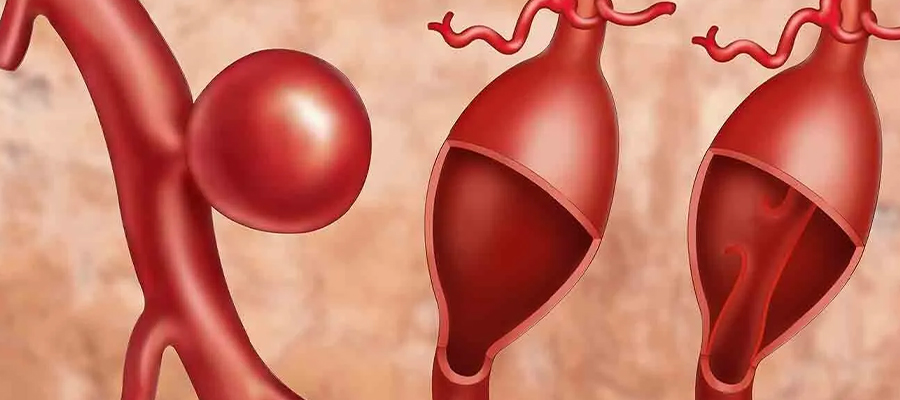
Estimated reading time: 13 minutes 36 seconds
What is an aneurysm? What you need to know about an aneurysm
The question “What is an aneurysm?” often comes to mind not because of a sudden symptom but after an imaging test. This vascular condition can progress unnoticed for a long time, which is why it is important to know what it is, who it affects, and which symptoms should be taken seriously.
In this article, we explain in detail how an aneurysm forms, when it should be suspected, diagnostic and treatment options, and what should be considered after treatment.
In short, an aneurysm can be described as the outward enlargement over time of a weak point in the wall of a blood vessel. If we think of blood vessels like a hose, the pressure always comes from inside, and the weak part of the wall gradually stretches, causing a balloon-like bulge to form outward. This enlargement usually progresses slowly, and a person may continue daily life without problems.
Aneurysms may not cause symptoms for a long time and are often discovered incidentally during a CT scan or MRI performed for another reason. In other words, an aneurysm is usually not a suddenly developing disease but a condition that develops silently, which is why regular check-ups can sometimes be more valuable than we think.
What does saccular aneurysm mean?
After explaining what an aneurysm is, which we described as a balloon-like bulge expanding outward from a vessel, let us now look at what a saccular aneurysm means and in which situations this term is used. The word “saccular” describes the shape of the aneurysm. Small sacs may form in some of the large vessels at the base of the brain, and this is called a saccular aneurysm.
In this type of aneurysm, the entire vessel does not widen; only a specific point bulges outward. These swellings in the vessel often go unnoticed when they are small. However, when they grow, they may press on surrounding tissues or require monitoring. Therefore, when a saccular aneurysm is present, it should be followed regularly by your doctor, considering its size and location.
What causes an aneurysm?
When answering the question “What causes an aneurysm?”, several factors should be mentioned. This condition usually develops when multiple factors that weaken the vessel wall over time come together. Although our vessels are flexible and durable structures, enlargement may occur in certain areas if they are constantly exposed to high pressure or are structurally weak.
One of the most common causes is long-term high blood pressure. As the pressure inside the vessel increases, weak points can expand more easily. In addition, smoking can increase the risk by damaging the vessel wall structure. The decrease in vascular elasticity with aging also contributes to aneurysm formation. In some individuals, the vessel structure may be more fragile from birth, which can predispose to aneurysm development in later years.
Is the aneurysm genetic? Who gets an aneurysm?
Although an aneurysm itself is not strictly hereditary, in some people, the structural condition of the vessel wall may be more fragile due to genetic factors. Therefore, having a family history of aneurysm does not completely determine risk, but it is a situation that requires attention. The likelihood of an aneurysm is higher in certain individuals. The following can be considered risk factors:
- Family history of aneurysm in first-degree relatives
- Long-term high blood pressure
- Smoking
- Advanced age
- Atherosclerosis
- Genetic diseases affecting connective tissue
The presence of these risk factors does not necessarily mean that you will develop an aneurysm. However, in such individuals, regular check-ups and measures to protect vascular health become more important.
What are the symptoms of an aneurysm?
An aneurysm is a condition that progresses silently. Therefore, enlargement in the vessel wall usually develops slowly, and when small, you may not feel any discomfort in daily life.
Aneurysm symptoms may vary depending on the location of the aneurysm. However, when a growing aneurysm begins to press on surrounding tissues, some warning signs may appear. Aneurysms in brain vessels, in particular, may affect nerves due to pressure and cause more serious symptoms.
The main symptoms that should be considered include:
- Severe headache that starts suddenly and has no clear cause
- Pain or pressure behind the eye
- Blurred or double vision
- Numbness in the face or weakness on one side
- Difficulty speaking or feeling dizzy
- A pulsating sensation in the abdomen or chest
- Unexplained pain in the back or abdomen
On the other hand, the presence of these symptoms does not necessarily mean that a person has an aneurysm. However, it is important to seek specialist advice, especially when they occur suddenly or unusually. Situations such as a very severe headache, confusion, or fainting require urgent evaluation.
What is a brain aneurysm?
A brain aneurysm is the balloon-like enlargement over time of a weak point in the wall of a vessel that supplies the brain. This enlargement most often occurs at vessel branching points. Many people may live with this condition for years without noticing it, because small aneurysms usually do not cause symptoms.
In brain aneurysms, the main concern is not the aneurysm itself but its potential to grow. The expanding vessel may press on nearby nerves or, rarely, create a risk of rupture. Therefore, brain aneurysms are often detected incidentally on MRI or CT scans performed while investigating causes of headache.
What are the symptoms of a cardiac aneurysm?
A cardiac aneurysm is usually associated with an enlargement that develops in a weakened part of the heart muscle after a heart attack. When part of the heart muscle is damaged, that area may thin and bulge outward over time. Although this condition does not always cause symptoms, some signs may appear when it becomes significant. Symptoms of cardiac aneurysm include:
- Easy fatigue and reduced exercise capacity
- Shortness of breath
- Pressure or discomfort in the chest
- Palpitations or irregular heartbeat
- Swelling in the legs
- Rarely, circulation problems due to clot formation
The symptoms mentioned above are not specific to cardiac aneurysm. Similar complaints can occur in many heart diseases. Therefore, especially in people with a history of heart attack, new or worsening symptoms should be evaluated by a cardiologist.
How is an aneurysm diagnosed? How is an aneurysm treated?
An aneurysm is usually not detected by physical examination, and diagnosis is generally made with imaging methods. The location, size, and structure of the vessel can be clearly visualized with tests such as MRI, computed tomography (CT), or angiography, which show the vessel structure in detail. Which test will be chosen is determined by the physician.
The preferred treatment method for an aneurysm is not the same for every patient. Small aneurysms that do not pose a risk are often monitored with regular follow-up. However, treatment is planned in cases that show a tendency to grow or have a high risk of rupture. Possible approaches include:
- Regular monitoring: Imaging methods are used at certain intervals to check whether the aneurysm grows.
- Endovascular treatment (minimally invasive): The aneurysm area is filled with special materials or closed in a way that reduces blood flow by entering through the vessel.
- Surgical treatment: In suitable patients, a special clip can be placed on the aneurysm area to secure the bulge.
The treatment decision is made by evaluating together the location and size of the aneurysm, the patient’s age, and overall health status. The aim is often not to correct the current state but to prevent a possible rupture risk.
Frequently asked questions
Is an aneurysm dangerous?
An aneurysm is not always a condition that poses immediate danger. Small aneurysms that do not grow can often be followed for years without causing problems. However, the vessel involved, size, and growth rate of the aneurysm are the most important factors determining risk.
Large aneurysms, especially in the brain and aortic vessels, are monitored more closely due to rupture risk. Therefore, the risk of an aneurysm varies from person to person and depending on the situation, and a risk assessment must be performed by a physician.
What happens if an aneurysm ruptures?
Rupture of an aneurysm, commonly referred to as bursting, can lead to serious consequences depending on the vessel location. When a brain aneurysm ruptures, a brain hemorrhage may develop, presenting with sudden, very severe headache, loss of consciousness, or neurological deficits. Rupture of an aortic aneurysm causes internal bleeding and is life-threatening. Therefore, regular follow-up and risk control are vital in individuals diagnosed with an aneurysm.
Does an aneurysm cause a headache?
An aneurysm usually does not cause symptoms or headaches. However, headaches may occur, especially when brain aneurysms grow and press on surrounding nerves. In the event of rupture, patients often describe a sudden pain as the worst headache of their lives. Such sudden and unusual headaches require urgent evaluation.
Can an aneurysm go away on its own?
Since an aneurysm forms due to a structural weakness in the vessel wall, it does not disappear on its own. Small aneurysms may remain stable and be followed for a long time without change. However, complete disappearance is not expected. Therefore, it is important to follow the monitoring plan once an aneurysm is diagnosed.
Can an aneurysm be treated without surgery?
Not every aneurysm requires surgery. Small, low-risk aneurysms can be monitored with regular imaging. When treatment is needed, endovascular (minimally invasive) methods can often be preferred instead of open surgery. In these methods, the aneurysm area is closed by advancing through the vessel. Which method is appropriate is determined by the location and structure of the aneurysm.
Which department treats aneurysms?
The department involved varies depending on the vessel in which the aneurysm is located. Neurology and neurosurgery manage aneurysms related to brain vessels, while cardiology and cardiovascular surgery manage aneurysms of the heart and major vessels. In cases of sudden severe headache, altered consciousness, or chest-abdominal pain, one should go directly to the emergency department.
Which doctor should you see for an aneurysm?
Because an aneurysm is a vascular condition, suspected brain vessel aneurysms can be evaluated by neurology, while conditions related to the heart and major vessels can be evaluated by cardiology specialists. On the other hand, if symptoms such as sudden and very severe headache, confusion, speech disturbance, or fainting occur, the correct choice is to go to the emergency department without delay.
What should life be like after brain aneurysm surgery?
Life after brain aneurysm surgery is the phase that requires the most attention during recovery. The aim is not only to get through the surgery but also to protect the vessels and prevent conditions that could create risk again. Although this process varies from person to person, paying attention to certain habits in daily life helps speed recovery. Points to consider after surgery include:
- Avoid heavy lifting and strenuous movements in the first weeks
- Do not neglect blood pressure monitoring
- Stay away from smoking and alcohol
- Take medications prescribed by the doctor regularly
- Ensure adequate sleep and rest
- Choose light walks instead of high-intensity sports
Regular follow-up and lifestyle changes help most patients return safely to daily life.