

 TR
TR FR
FR ES
ES RU
RU RO
RO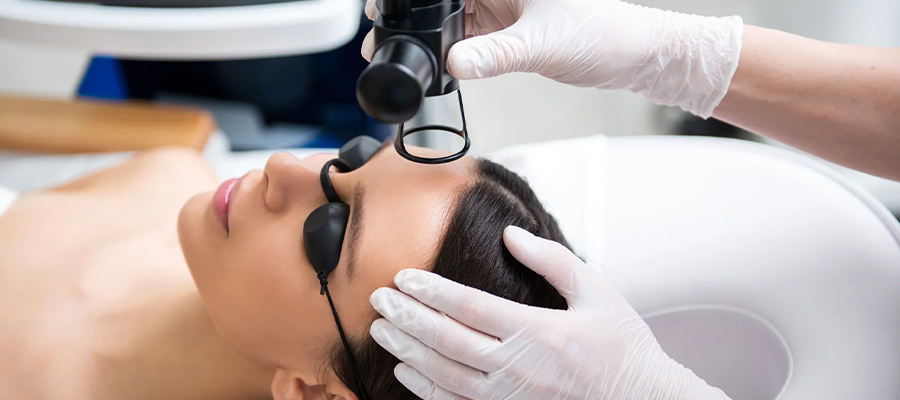
Estimated reading time: 12 minutes 40 seconds
Fractional laser: What is it?
Fractional laser is a controlled and targeted laser technology used for skin renewal and repair, and it has a collagen-boosting effect in the body. The main principle of this procedure is to create micro-level injuries in the skin to activate the body’s natural repair mechanisms. Because these micro-injuries are intentionally created, it is extremely important that the device focuses on specific targets in a controlled and precise manner.
It is worth emphasizing that this delicate process of creating micro-injuries requires expertise; therefore, the procedure must always be performed by experienced skin specialists in hospitals that offer fractional laser treatments.
Thanks to these micro-injuries, collagen and elastin production in the skin increases. As is well known, collagen is the main structural component that gives the skin firmness and a youthful appearance. Over the years, reduced collagen production leads to wrinkles, sagging, scars, and pigmentation issues. Fractional laser stimulates this production again by creating micro-injuries and supports the skin’s natural regeneration. But how does it work?
How does fractional laser work?
In this method, laser beams are applied to the skin not as a single piece, but in the form of micro-columns (microthermal zones). This means that not the entire skin surface but only specific points are affected. The body perceives these injured areas as zones that need repair.
This perception activates cells called fibroblasts. Fibroblasts produce new collagen and elastin. These newly produced tissues initiate a controlled repair process, giving the skin a smoother, firmer, and more vibrant appearance.
The main difference of this method from traditional lasers is that it targets specific areas instead of removing or resurfacing the entire skin. This shortens the recovery period and reduces the risk of side effects. For this reason, it is widely preferred today for acne scars, pigmentation problems, signs of aging, and enlarged pores.
What does a fractional laser do?
A fractional laser is used to renew the skin texture and achieve a smoother and healthier appearance. Its purpose is not only to improve the skin surface but also to promote repair and revitalization in the deeper layers. Through the micro-injuries created during the procedure, the skin begins its own repair process, becoming tighter, brighter, and more even-toned.
This treatment is especially preferred for skin tone irregularities, acne scars, fine wrinkles, and post-acne spots. It is also an effective method for tightening the skin, reducing enlarged pores, and improving a dull, tired appearance. When applied correctly and regularly, it provides a noticeable sense of renewal over time.
Another important feature of a fractional laser is that it mimics the skin’s natural healing process. Instead of offering a purely artificial intervention, it triggers the skin’s own regenerative capacity. This ensures results that look more natural and balanced.
Which areas can a fractional laser be applied to? In which situations is it used?
Fractional laser is not limited to the face. It is a versatile skin-renewal method that can be applied to various areas of the body for different purposes. However, the treatment dose, number of sessions, and device settings may differ for each area. For this reason, the treatment must be personalized.
In general, fractional laser is applied to the following areas and used for the following conditions:
- Face (forehead, cheeks, chin, around the nose)
- Neck and décolleté
- Hands
- Back and shoulders
- Abdomen, hips, and thighs (especially for stretch marks)
- Knee and elbow areas
The primary skin problems treated with fractional laser include:
- Acne scars and pitted scars
- Sun spots and age spots
- Fine wrinkles and signs of aging
- Enlarged pores
- Uneven skin tone
- Stretch marks caused by pregnancy or weight changes
- Surgical scars and burn scars
Although it has a wide range of uses, a fractional laser may not be suitable for every skin type or every condition. A dermatological evaluation must be performed beforehand to ensure the treatment’s suitability.
How is a fractional laser performed?
Fractional laser application generally takes between 30 and 60 minutes. Before the procedure, the skin is thoroughly cleansed, and a topical anesthetic cream is applied to numb the area. After waiting about 30–40 minutes, the laser treatment begins.
The device is adjusted according to the skin’s needs. Laser beams are delivered to the skin in micro-columns, creating controlled micro-injuries in the targeted areas. During this process, most people feel a slight stinging or warmth. After the procedure, soothing and repairing creams are applied.
Redness, mild swelling, and sensitivity may appear after the treatment. These reactions are normal and usually improve within a few days. Depending on the person’s skin condition, the treatment can be planned as a single session or as multiple sessions.
Frequently Asked Questions
Who is a fractional laser suitable for?
Fractional laser is suitable for people who need skin texture renewal or have specific skin problems. It is commonly recommended for those with acne scars, pigmentation, fine wrinkles, and uneven skin tone. However, it may not be suitable for people with active acne, pregnant individuals, those with skin infections, or certain skin diseases. A specialist evaluation is required before the procedure.
Does fractional laser hurt?
Because a topical anesthetic cream is usually applied beforehand, pain is significantly reduced. However, a mild stinging, burning, or warming sensation may still be felt. Most people describe the discomfort as tolerable. After the procedure, mild sensitivity may continue for a short time.
How many sessions are needed?
The number of sessions depends on the person’s skin problems, skin structure, and expectations. While 1–2 sessions may be enough for mild pigmentation or surface problems, 4–6 sessions may be required for deep acne scars or pronounced stretch marks. Sessions are typically spaced 3–6 weeks apart.
Is fractional laser effective for acne scars?
Yes, fractional laser is one of the most effective treatments for acne scars. It stimulates collagen production in the deeper skin layers, helping reduce the depth of scars over time and providing a smoother skin surface. However, multiple sessions may be needed for deep scars.
What is fractional laser stretch mark treatment?
Stretch marks occur when collagen fibers beneath the skin tear. Fractional laser stimulates the treated area to produce new collagen, which lightens the color of the stretch marks and reduces their depth. Although the appearance improves significantly, complete removal may not always be possible.
When does the face heal after a fractional laser? When is it suitable to wash the face?
After the procedure, the face usually remains red and sensitive for a few days. Redness varies from person to person but typically decreases significantly within 3–7 days. Mild flaking and peeling may occur as part of the renewal process.
The face can usually be washed 24 hours after the procedure using lukewarm water and gentle cleansers. For the first few days, harsh exfoliating products, scrubs, and hot water should be avoided.
How should fractional laser aftercare be done? What should be considered?
Post-treatment care is one of the most critical factors affecting the success of the procedure. Since the skin is sensitive after treatment, it requires special attention. Correct aftercare speeds up healing and reduces the risk of side effects.
Important points include:
- Keeping the skin away from irritating products during the first days
- Using high-SPF sunscreen
- Applying soothing and repairing creams to maintain skin moisture
- Avoid picking or peeling the skin
- Avoiding the hammam, sauna, and solarium for a while
- Drinking plenty of water to support the skin from within
When these steps are followed regularly, the healing process accelerates and the results become more effective.
Which is more effective: the gold needle or the fractional laser?
The answer depends on the person’s skin concerns and expectations. For example, fractional laser is often preferred for scars, pigmentation, and deep tissue renewal, while gold needle treatments are more commonly used for skin tightening, pore reduction, and overall rejuvenation. The nature of the complaint determines which method is more suitable.
In some cases, both treatments can be combined for enhanced results. However, the best method can only be determined after a skin analysis and a specialist evaluation.