

 TR
TR FR
FR ES
ES RU
RU RO
RO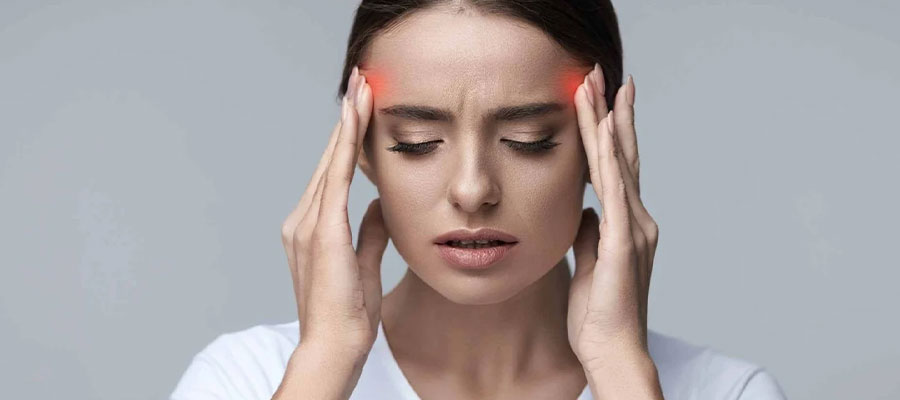
Estimated reading time: 8 minutes 8 seconds
What is migraine?
Migraine pain is usually localized on one side of the head. It occurs due to constriction of blood vessels accompanied by abnormal brain activity. It also affects nerve signals. Unlike normal headaches, a migraine attack that occurs in a certain part of the head is throbbing and very severe.
Migraine is more common in women than in men and can last for hours or even days. The exact cause of the abnormal brain activity that triggers migraine pain is not fully understood. However, it is thought that a combination of genetic inheritance, certain triggers, and neurological factors may play a role in this initial abnormal activity. When we say genetic inheritance, we mean that if someone in a person’s family has migraines, that person may also develop migraines.
There is a fairly long list of triggers. The main migraine triggers include stress, major changes in sleep patterns, strong and unpleasant odors, heavy alcohol consumption, hormonal changes, and certain foods.
Migraine attacks, which can significantly affect a person’s daily life, are a neurological problem that should not be ignored. Therefore, it is crucial for people with migraine to understand this disease, how it is triggered, and how to manage it to live a healthier and more comfortable life.
What are the symptoms of migraine?
There is no single type of migraine. There are various types of migraine, ranging from episodic to chronic, depending on how often they occur and what functional problems they cause. This can also cause the symptoms that accompany migraine to vary from one type of migraine to another.
Since migraine attacks can vary from person to person, only a general list of symptoms can be provided. Common migraine symptoms include the following.
- Throbbing pain concentrated in a specific area of the head
- Nausea and vomiting, which often worsen with movement
- Difficulty speaking
- Sensitivity to light, sound, or smell
- Vision problems, such as flashing lights or blind spots (in migraines accompanied by aura)
- Fatigue, irritability, or brain fog
- In some cases, neck stiffness, dizziness, or a tingling sensation
Migraine attacks, whose common symptoms are listed above, can include four different stages. These stages can be categorized as the prodromal stage (mood changes), the aura stage (visual or sensory disturbances), the headache stage (main pain period), and the postdromal stage (post-attack effects such as fatigue or confusion). However, not all migraine headaches necessarily include these stages.
How can migraine headaches be distinguished from normal headaches?
Although both are headaches, there are significant differences between migraine headaches and normal headaches, particularly in terms of duration and severity. Knowing the differences between the two can help you understand the situation when you encounter these problems and take appropriate measures.
Migraine headaches are usually:
- Pain severe enough to interfere with daily life
- Pulsating rather than a headache that causes tension and pressure
- Although it can sometimes affect both sides, it usually affects one side of the head
- Appears along with the other symptoms listed above
Now that we have established a general framework for what migraine is, its symptoms, and how it differs from normal headaches, let’s move on to the question of who is affected by this condition.
Who gets migraines?
Migraine affects millions of people worldwide, with the most common age range being 20-50 years old. In terms of gender, it is more prevalent in women. Although the reason why migraine is more common in women than in men is not clear, hormonal factors are thought to play a role in the onset of the disease.
We can say that migraine is more likely to occur in people with the following characteristics:
- Those with a family history of migraine
- Women, especially during menstruation, pregnancy, or menopause
- People with certain medical conditions, such as depression, anxiety, or epilepsy
- Those experiencing high levels of stress or poor sleep quality
- People sensitive to dietary or environmental triggers
Although people with these characteristics may be predisposed to migraine, we cannot say that everyone with these characteristics will definitely experience migraine. In addition to predisposition, there are also factors that trigger migraine.
What are the factors that trigger migraine?
We briefly mentioned the factors that trigger migraine attacks above. These factors may vary from person to person and even depending on the type of migraine. However, being aware of triggers and avoiding them as much as possible can help you keep migraine at bay.
Common factors that can trigger migraine pain include the following:
- Hormonal changes (especially effective in women)
- Chronic stress or emotional tension
- Sleep disorders involving behaviors such as sleeping too much, too little, or irregularly
- Certain foods and beverages (such as aged cheeses, chocolate, red wine, and caffeine)
- Bright or flickering lights, loud noises, or strong odors
- Weather changes or barometric pressure changes
- Skipping meals or dehydration
You may think that we have listed too many triggers and that it is difficult to identify which ones trigger your migraines. Keeping a migraine diary can help you with this. For example, on the day you have a migraine attack, write down what you think may have affected you. Take similar notes during your next attacks.
After a few attacks, you may have a personalized and likely quite accurate list of potential factors that may trigger your migraines. Having such a list can also guide you in avoiding certain triggers.
How do migraines go away?
There is no definitive cure for migraine pain. Therefore, focusing on managing these attacks as much as possible can be helpful. Even reducing the frequency and severity of migraine attacks can make a significant difference in many people’s lives. To achieve this, you can try some lifestyle changes, preventive techniques, and relaxation methods that work for you when the pain strikes.
Some common practices that may help manage migraines are listed below:
- A regular and adequate sleep schedule
- Yoga, meditation, or breathing techniques
- Drinking plenty of water
- Eating balanced meals at regular times
- Avoiding triggers that you can identify
- Applying cold or hot compresses to the head or neck during an attack
- Resting in a dark, quiet room
- Using over-the-counter pain relievers under guidance at the onset of an attack
People who experience frequent or severe migraines should consider seeking medical help for more personalized solutions.
How is migraine treated?
Migraine treatment typically includes acute and preventive options. Acute treatments aim to relieve symptoms when a migraine attack occurs, while preventive treatments help extend the time between migraines and reduce the severity of pain during attacks.
Treatment options include:
- Over-the-counter medications such as ibuprofen or acetaminophen for mild attacks
- Prescription medications such as triptans or ergotamines for moderate to severe migraines
- Regularly taken preventive medications such as beta blockers, antidepressants, anticonvulsants, or CGRP inhibitors
- Botox injections used in some cases of chronic migraines
- Behavioral therapies such as cognitive behavioral therapy (CBT) for stress-related migraines
- Lifestyle changes such as regular sleep, exercise, and avoiding triggers
A personalized approach to migraine treatment is very important. A treatment that is effective for one person may not be effective for another. Therefore, regular communication with your doctor is very important in treating this condition.